Leaderboard
-
FourFans
Supreme User9Points1,679Posts -
brabus
Supreme User6Points4,855Posts -
Clark Griswold
Supreme User5Points3,887Posts -
FLEA
Supreme User5Points2,053Posts




Popular Content
Showing content with the highest reputation on 03/14/2023 in Posts
-
5 points
-
3 points
-
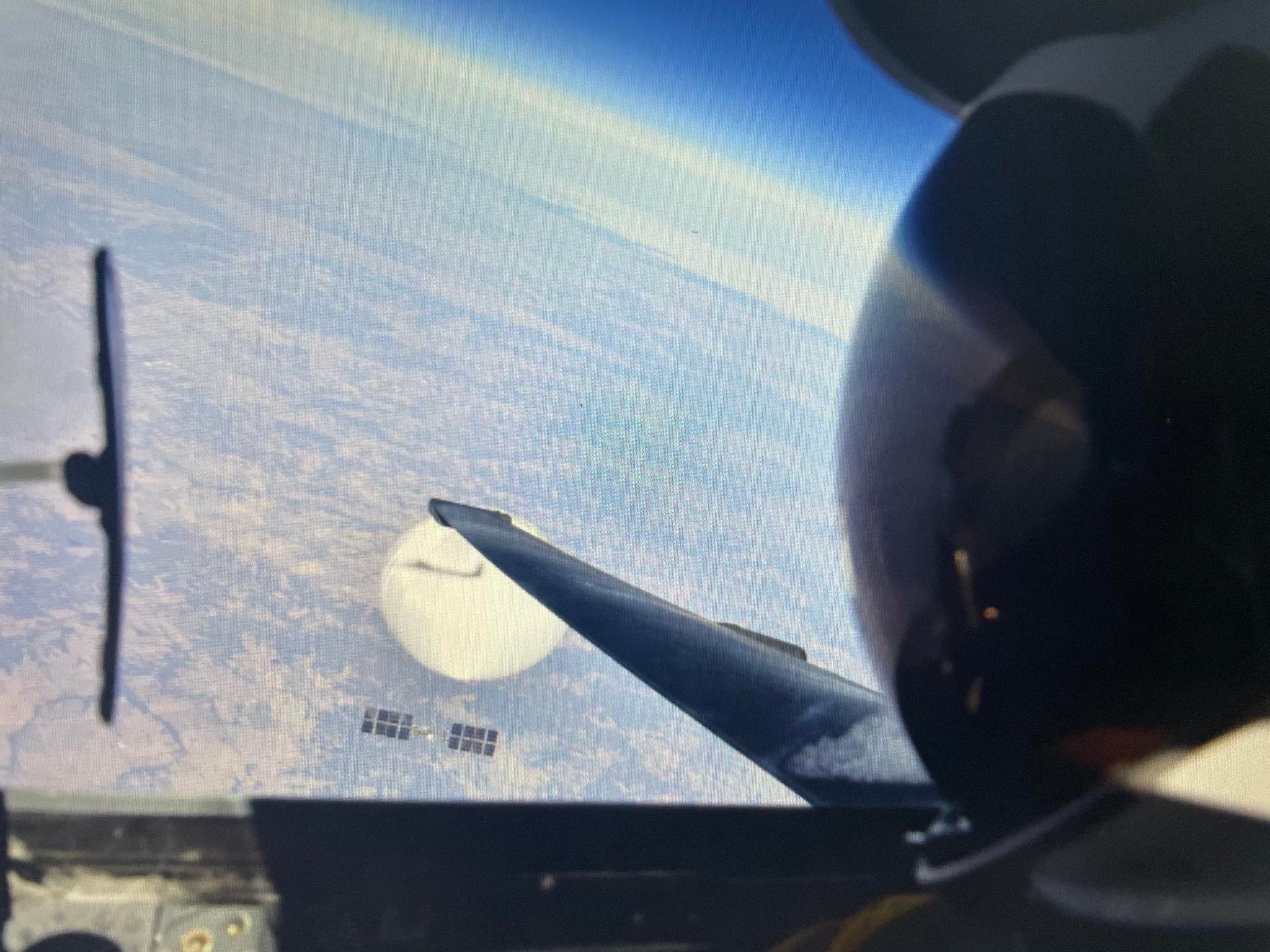
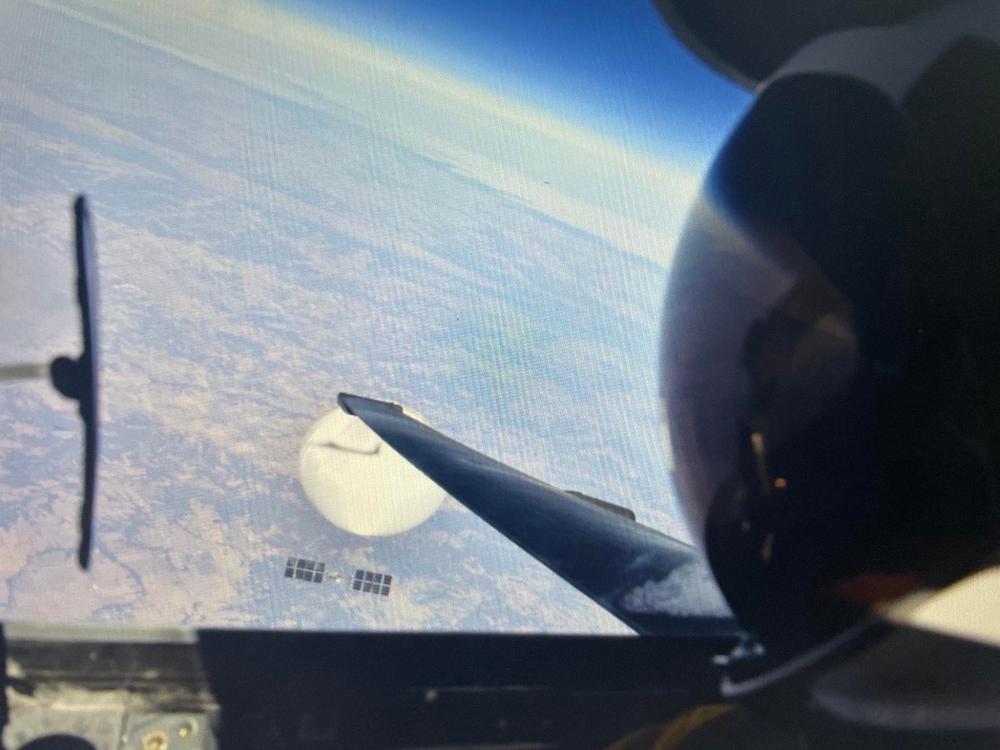
3 points3 points3 points@Smokin I agree with what you're saying. I would like to massage something though: FIFY. Some people have this notion that the military road is somehow in-expensive. It's not. It costs over a decade of your life (minimum), tons of deployments, untold stress on family and relationships, and a significant opportunity cost of what you might have otherwise done with your career on the outside...all with no union or work rights protections of any kind. Make no mistake: any man or woman who has the aptitude to be a pilot in the military can make immensely more money at immensely less personal risk on the outside if the same level of effort poured into the miliary pilot career was poured instead into a civilian pilot career. Is it easy? NO. They are both expensive roads. BTW, the 'traditional' civilian path is no more. No 4 year degree required. From highschool student to right seat in a heavy jet can be as short as 4-6 years now. 1-2 years of zero-CFI land and building time, 2-4 years in a regional with the R-ATP, then ACMI. I know, because I sat next to that guy in my ACMI indoc class. The only reason (by his own account) he was 26 instead of 24 in that class is because he took 2 years after highschool dicking around before he got serious about the flying gig, and his process was hardly streamlined as it could have been. I'd call him an average joe. That dude sat right seat at an AMCI before getting hired by delta. He's 27. He has no student loan debt, and his 'building time' debt is already paid. Zoom out a little. Find me any career where you can make 6 figures in a union protected job within 5 years of starting that path with little to no college or training debt. This isn't about airline pilot hiring. This is about America deciding to not charge the next generation a $300,000 entry fee before they start a career where they can prosper. Removing the 4 year degree requirement did exactly that for the airlines. There's still plenty of barriers to entry, as there should be for a multimillion dollar, high-stakes job that places other people's lives in your hands on a regular basis. But it's certainly not the 'traditional' path any more. I'm not sure that's the right answer, but it's where we are. I will definitely reinforce that America needs to reduce the cost of entry into the higher level, high-skill, high value added work force. That starts by chopping the cost of university education, (imagine if universities didn't pay $13.1M for a DEI department salary...Link) and opening up the aperture to enable the opportunity to enter those high-skill avenues to those who traditionally don't have them. That means removing barriers to BEGIN the process, while retaining the quality control within the process. Equal opportunity is not, and should not mean equal outcome.3 points2 pointsI remember almost hitting a PTIDS tether on a show of force…wouldn’t that have been a bitch if that’s how my story ended. “So he died fighting valiantly in Afghanistan?” ”No, a balloon took him down” ”….”2 points2 pointsI'll throw it out there that as a crashpad dweller, I would strongly consider not making your long term dwelling in domicile a crashpad before you live in it. We dwellers are a highly varied breed. Some are respectful and treat the house as our own. Others, not so much. If there were level below 'rental', it's 'crashpad'. That said, if you can move your family to domicile, move your family to domicile. That is a MANY faceted statement though.2 points2 pointsDude, just take the W and a deep breath. Non-response / misdirection is stealth acquiescence. You won.2 points2 points2 pointsGood question to ask. Consider starting a new, relevant thread on the topic.2 points2 pointsThere's lots of information available on the subject of excess deaths. So far no one has drawn a definitive conclusion on why it's happening. However the phenomenon seems confined to heavily vaccinated locations with other variables negligible, ergo logic dictates one of two possibilities most likely: 1. C19 vaccines are killing people. 2. C19 is still killing people in heavily vaccinated populations. Either way the "safe & effective" chant that NIH/CDC/DNC used to force vaccine mandates has been disproven, must immediately end, and consequences for those individuals must follow.2 points2 pointsStory time... One drill weekend circa 2014/2015, half the squadron is piled on a bus headed to some off-base training. I was a still in my first year at DAL and I didn't really talk much airline talk in the squadron unless asked. On the bus ride out, someone asks me something about DAL, so I answered. Suddenly, two of our full timers (so self pro-claimed, "never airline" types...) come unglued and bitch me out for talking airline talk. Until I saw their reaction to my laugh, I thought they were joking because I was simply answering a question. They were legit pissed and kept yelling...at which point I told them how, when, where and why they could go fuck themselves. The closest I've ever come to throwing a punch at work actually. I was a prior-e with one of them, so it threw me off guard. Anywho, fast forward a few years and those two fuckheads are flying for the airlines. I'm sitting in a briefing room, prepping for a sortie and I hear them chattering around the corner about airlines. I peak my ugly mug around the corner with a smug ass look and ask them to keep the airline chatter down, I'm trying to prep tactical shit here. It's certainly not for everyone, but Brabus is right, for many years of our careers we've been conditioned against airlines. I guess that's why it's referenced so much now. Don't worry, it will stop in the next down turn... Break Break Some people need their work to give them a sense of purpose and a feeling doing something meaningful, which is great. This U-2 gig seems like a great deal for someone like that. Then there are people like me who do the airlines because it's the best money I can make, in the least amount of time away from home. I've got way too many things I want to do outside of work...no purpose needed for me. Not many places are going to be ok with me dropping my schedule and not showing up for the month lol. I'd rather spend my time traveling with the frau, volunteering at the local aviation museum and flying my own planes. Neither is right...someone will be happy with this U-2 gig for sure.2 points1 point“Environmentally unsound” is definitely built for the European audience. Think they’re talking about the fuel dumping or the resultant littering and… littering and… smoking the Reaper?1 pointThat's huge! I didn't know that had happened. Thanks for the SA! Just makes sense that they don't force you to take it; the taxes are already paid, so you taking it doesn't benefit Uncle Sam at all. Thank you for this info, as well. I had thought that could potentially be the case, but I don't have any airline/real world experience with Roth 401ks, so was a little ignorant and going off of what the TSP/NYC Deferred Comp allows...which is not much. NYCDCP does have a self-directed option with TD for up to 20% of the amount in the plan, but even that only allows you to buy mutual funds, which doesn't make it that worth it. Great to hear the airlines let you boogie down with some riskier stuff and individual securities, though.1 point1 pointThe SIPR WSV of the intercepts and the collision are pretty amazing. Hopefully we declassify them ASAP to show that the Russians were lying when they said they didn’t hit the robot. Then again, it probably won’t matter…1 point1 pointLol I'll take a useful AI in leadership roles over the dg hunter xmas planner douche canoes we currently promote 😂1 pointAs Lord Ratner pointed out to me a few weeks ago in this thread, if your 401k is with Fidelity (AAL), you can open up BrokerageLink accounts for both your traditional and Roth 401k contributions, which are pretty much standard brokerage accounts linked to your 401k funds. Once you do this, you can have the system automatically transfer your (and company) contributions to the BrokerageLink accounts, and then the sky is the limit on what you can invest in. Pretty neat, actually. You are then free to invest in anything you want - ETF's, Index, mutual funds, and/or individual stocks. Sent from my SM-F721U using Tapatalk1 pointWhat you can put your 401k/Roth 401k into JS entirely employer dependent. at delta, you can buy anything but delta stock. Individual Stocks, bonds, mutual funds, foreign stuff, etc.1 pointRoth 401k RMDs are history. https://www.fool.com/retirement/2023/02/06/secure-act-rule-changes-every-roth-401k-owner/1 pointI can't believe you didn't turn around and get a prop kill. Great way to log one more air medal!1 point1 pointAlmost sounds like they were intentionally trying to bring it down without the public noise created by firing a missile.1 point1 pointStatement from EUCOM on the incident. "At approximately 7:03 AM (CET), one of the Russian Su-27 aircraft struck the propeller of the MQ-9, causing U.S. forces to have to bring the MQ-9 down in international waters. Several times before the collision, the Su-27s dumped fuel on and flew in front of the MQ-9 in a reckless, environmentally unsound and unprofessional manner. This incident demonstrates a lack of competence in addition to being unsafe and unprofessional. "1 point1 pointDamn son, that might be the quickest afoqt to hire I’ve seen on here. You know what is tougher? Being on this train for years [emoji23] Congrats on getting picked up though, hopefully the pipeline goes smooth for you. Sent from my iPhone using Baseops Network mobile app1 point1 pointAI is going to be life changing for so many people. There are a lot of admin task we do day to day in the AF that AI can solve in a matter of seconds. There are a lot of tactical applications that haven't even been investigated yet.1 point1 pointHaha yeah so anyway how about those landings in the U-2?! Pretty crazy huh. And what about if your nose itches in the space suit?1 point1 pointGenius! That would have been life changing for OPRs and awards back in my day!1 point1 pointI personally like having a SCOD. It was how we timed FITREPs in the Navy and it makes planning/anticipating the completion much easier, even with large groups of junior officers. Moreso, with large groups of O-3, etc, it’ll eliminate anyone getting forgotten about or overlooked when it’s time for an OPR.1 point1 point😂 I’m now picturing every aircrew dorm while deployed. I’ll keep it personal and thanks for the advice!1 point1 pointWhat!?!?! And here I was back in the day walking uphill both ways in 6.9’ of snow to go write OPRs the old fashioned way. Character count - the AF just can’t help itself, it has to make everything as retarded as possible.1 point1 pointWhen's that POS turning back on? We're feverishly trying to get our OPR's done and in the system before the new one goes live (again...). We're "a bit" behind because we chose to scoff them until they figured out wtf they were gonna do with that coat hangar abortion that is myeval. On another note, why do we even do an OPR every year, especially in the Guard? At least at my squadron, almost noone does any assignments (staff/NGB/etc...) off-station, we all know who should go where/when, so it seriously has no bearing on anything we do. I think every 3-5 year OPR's would suffice. Ever tried to write an OPR for a part timer who does exactly what is asked of a part timer and nothing more (most of our part timers have no other duties than flying)? "Makes his sorties....most months...." This is actually one of the nice things for the ARC units, at least mine. We're fairly evenly spread on rank, though we have about 1/4 the Captains as we do Maj and LT Col, which are even split. Rather than having dates strewn about the year, it's a bit more manageable knowing exactly when they all close out. Generally many of the items we have to deal with in the ARC and a royal PITA because it's designed by the AD, who doesn't think about our considerations. So this is finally one our favor...though, based on your example above, it further points out why we shouldn't be required to have the same setup as the AD.1 pointFeel the same way. I totally recognize investing and getting into the details is a full blown hobby for some, but for me it's a means to an end. Shoveling money into a reliable index fund combined with maxing out your roths/401k is more than enough to get to a 90% solution and it takes next to no brain bytes once it's set up. It's trite but the older I get the more I've begun to truly value my time, and if I make a marginally less by not gnats-assing my finances but get more time to do the things I enjoy, that's a worthy trade off to me1 point1 pointI think narrative only and static close out dates are good changes. Narrative only will cut down in the amount of work perfecting that bullet that no one will read. Static close outs, at least you can plan your workload surges. It should also reduce the amount of strat gamesmanship as well. MyEval 0-2.0? Complete cluster fuck.1 point1 pointyou're not joking.. my base is still un-f-ing OPRs that were stranded in limbo when they euthanized myeval v1 last year. But don't worry let's bring that train wreck back along with a litany of formatting and process changes. The old way wasn't good by any stretch, but it's amazing how when we change/revamp something its almost exclusively for the worse.1 pointOne additional benefit of having a Roth IRA even if you are a "high" earner is that it becomes a vehicle you can use to take extreme risk if you choose to. It doesn't make a whole lot of sense to purchase bonds in your Roth IRA. It could make a whole lot of sense to invest in something with unlimited upside...1 point1 pointIf you know you’re moving there eventually, I don’t see a reason not to do that. Of course the big question is why aren’t you moving to that base sooner…are you talking about not getting that base for a while because it’s senior?1 pointSo it’s cool when a Senator wants social media to censor speech when it comes to banks… https://www.foxnews.com/politics/sen-mark-kelly-calls-censorship-social-media-companies-prevent-bank-run-report1 point1 pointHow so? Military pilots go through a rigorous flight school and experience a wider variety of problems to solve before being ready to be hired by a major than most civilian path pilots. While most require some adjustment to the 121 world, very few former military pilots I know (including single seat fighters) have had any issue in training or on the line. This is the opposite of a DEI hire; hiring an individual that you know to be highly experienced, well trained, disciplined, and more potential than your company needs and with potentially no more training required than any other new hire.1 point1 pointThere's an irony here that every single military pilot who goes to fly for the airlines is a DEI hire.1 point1 pointHave friends that fly fire, and honestly I’d love to do it, but the pay and time away from home is a total non-starter. But for the guy living in Palau the rest of the year, sounds like he is nailing it…for his specific life situation. Personally, GA (p61/91/141) has been my filler for the “thrilling/fulfilling” flying. You also never know who you’ll meet and what cool flying you can find yourself getting into…there’s a ton out there that is way beyond a 172. I’ve flown a lot of cool shit so far that I didn’t spend a dime on; make connections, people like your mil flying background and the assumed capabilities that come with it. Airlines may also approve p135 flying if its deemed not to conflict. YMMV on that approval, but there’s some pretty fun 135 stuff out there. The airline provides all the $ and free time you need to do these things. So, I look at it as a solid job that affords me these fun and challenging flying opportunities and means to support my family (plus all my other hobbies). No need to see it as your only option for flying in life after the mil, it’s just a good job. Edit: If your spouse is making solid $ and has a strong future in that job, or you have a great earning potential from real estate or something else, then the financials of the airlines may not be as big of an allure. At that point there are lots of options for fun flying, they just won’t pay the bills like you’re currently used to as an O-4/O-5 in the AF.1 point1 pointI have friends flying for CalFire and also firefighting in the northwest. Police ISR, medevac, or have flown contracting for state and fed government. Long line work, overseas support (both mil and civ stuff). There’s more out there. Using firefighting as an example, depending on region you might only fly from April-October so the rest of the year is yours. I have a buddy who lives on a diveboat in Palau during the off-season. Lots of options out there. The caveat is I don’t know of any that pay what you’d make after a few years in the airlines, but you can live pretty comfortably.1 pointIf you're getting BAH back home, you can get a BAH waiver that will allow you to stay in the dorms while still getting BAH for back home. Idk if they can force you into housing that you'd have to pay out of pocket for.1 point1 pointMain benefit is flying the U-2. Can we set a Baseops standard or something when the airline types feel the need to go into the airline pitch about how much money it is, QOL, etc you can just brief that as “standard”? We got it and are all jealous.1 pointI'm too important to block. Sorry.1 point1 pointThanks Huggy, I want to point out the obvious here for those ten-percent who didn't catch the skill level here. Not only did he maneuver to place the balloon and accoutrement in the frame, the shadow of the aircraft is on the side of the balloon as well. Best selfie indeed!1 point1 pointBehold lads and lasses, a legend is born with the best Selfie ever! Free beers for life my friend!
 1 point1 pointHow do we create a viable 3rd party. Not one that just siphons votes, one that actually wins elections. I wish I had that answer.1 point0 pointsDon't worry, youll just have to do a legacy AF707 and a new myEval report just to ensure a report is written on the closeout date. Man, glad I got my DD-214 this year =D0 points0 points2020 BLM/Antifa riots: $2B+ in damages, 100s of small businesses completely destroyed, 100s more w/ significant damage, 700+ LEO assaulted/injured, 20-30 people dead…0 hearings and 0 ounce of give a fuck by congress/MSM. J6: $150M in damages, 0 small business affected, 80-100 LEO assaulted/injured, 1 dead…full up congressional commission and 6.9 billion ounces of congressional/MSM outrage and vitriol. I‘m not excusing the actions of some on J6 or arguing that this comparison means J6 wasn’t a thing. But people need to understand why it is very rational to view these facts, combined with constant censorship attempts/demands, and conclude there is some very fucked up, shady shit going on in our country. Those of you trying to shut someone down because they don’t share your generally MSM-approved viewpoint need to open the aperture. Personally I look at this and all the info I can find and conclude J6 was a thing, it was not even remotely what the Dems/MSM have tried to make it out to be, and the gov/MSM has no credibility when they ignore 2020, but are frothing at the mouth regarding J6.0 points-1 points-1 pointsJ6 was a violent riot. Tucker's reporting says that as well. However Congress, the president, the vice president, and multiple news networks have been telling us it was an armed insurrection & worse than 9/11 or Pearl Harbor. On a scale relative to those events, it's accurate to say "J6 wasn't that bad." It's also lazy to rely on the "both sides bad" comeback. I recall during the height of ISIS our MSM networks would cautiously report on a dozen children roasted alive by the Caliphate (or whatever latest barbarity) while reminding us that Christian extremists also exist and are bad. My reply then & now is "you're not wrong but GMAFB." there can be no unity or reconciliation in our country without accountability for shitty behavior on any side. On that I hope we agree and if focused on that these conversations can be more unifying and productive. If a J6 or BLM rioter is caught, throw them in jail. If Trump breaks the law, investigate & prosecute. If Biden has been taking Chinese bribe money through his crackhead son, investigate & prosecute. Unfortunately a politicized and unethical DOJ/FBI is only weighing in against one side on those above examples and that is clearly apparent now. I want one country under God with liberty and justice for all.-1 points