Leaderboard
-
ClearedHot
Administrator9Points5,429Posts -
pawnman
Supreme User8Points4,225Posts -
FourFans
Supreme User6Points1,679Posts -
Biff_T
Supreme User6Points2,481Posts




Popular Content
Showing content with the highest reputation on 09/15/2022 in Posts
-
5 pointshttps://www.foxnews.com/politics/ron-desantis-sends-two-planes-illegal-immigrants-marthas-vineyard This is how the Civil War 2 starts. The red states air dropping illegals into blue states. I actually think this is funny as shit. I hope they keep doing it. Make the non believers actual see what it's like on the border.5 points
-
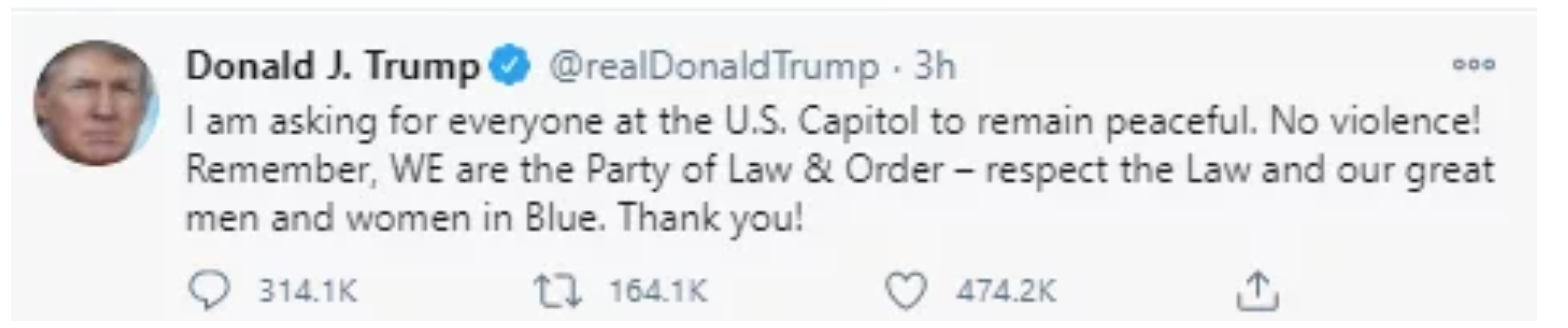
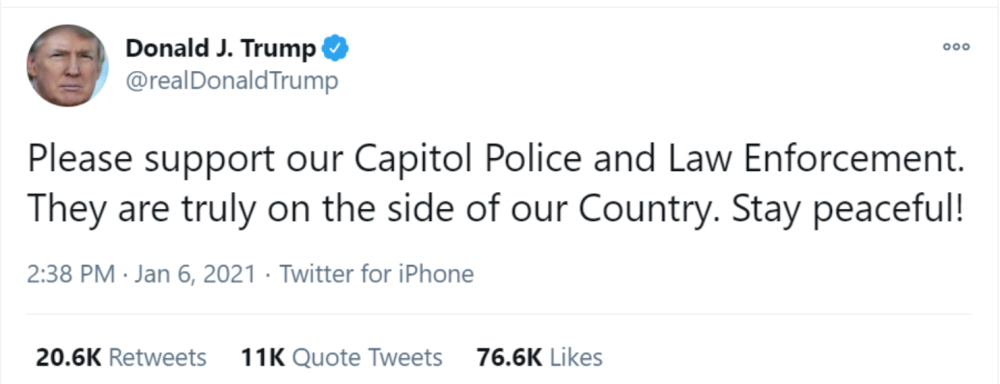
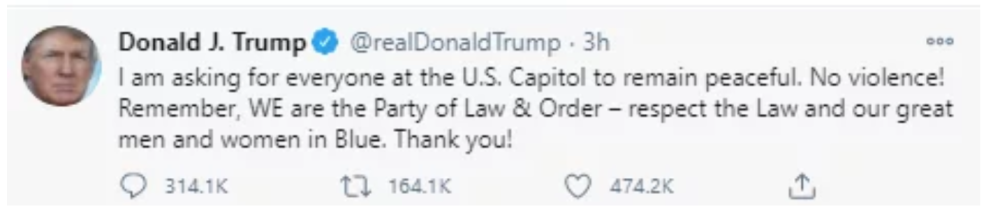
4 pointsI certainly agree Jan 6th was a horrible day for America, but Democrats stood by (and in some cases cheered), as Left Wing radicals burned American cities and stormed U.S. buildings. Just because you repeat the narrative that doesn't make it true. If you want to talk about him challenging the election please be equally damning in going after democrats who did the same thing - Clinton Won't Rule Out Questioning 2016 Election, But Says No Clear Means To Do So Sadly I sense some TDS, this is not about Trump...I don't like him and I want him to go away, but the radical left under crazy Uncle Joe has been empowered to do a LOT of damage to this country. You can try to over complicate the immigration argument but it is a simple fact, with effort on the border and things like the remain in Mexico policy FAR fewer were crossing our borders illegally...many were deterred from even trying. Are there several factors that need to be adjudicated, of course, but this wide open bullshit is bringing havoc. I am usually a rule of law kind of guy so sorry this path to citizen ship for 11 million that came here ILLEGALLY is complete bullshit. I favor a path for the dreamers, they were kids and had no choice in the matter, this country is all they've ever know but the adults that BROKE THE LAW, hell no, get OUT! Granting them citizenship is a giant FU to the MILLIONS of people standing in line trying to come here LEGALLY. We are a country of law...why is that so difficult? Do we need legal immigration, absolutely...we need workers (skilled and unskilled), and as you point out the demographics of the boomer generation points to serious issues if we don't make adjustments. That being said and acknowledged lets do it legally, with background checks and a secure border that at least slows the most wanted terrorists and tons of illegal drugs that are flowing across the border and into our country. I believe the last number I saw said we allow about one million folks each year to LEGALLY emigrate the U.S., if that number needs to be increased, let look at it and do what makes sense for our country. It is ironic that the liberal mayors of these so called sanctuary cities are screaming for help with Texas sending them illegals. These nitwits get a small taste of what they have done to Arizona and Texas and they cry like little bitches. NYC cried uncle after 2,000 arrived over a month when Texas is seeing 7,000-8000 EACH DAY! The ultimate buffoon is Lori Lightfoot who then put them on a bus out of her so called sanctuary city.
 4 points
 -
4 pointsThe question is who is "they?" I'd argue it's not so much the contractors, as it is the Air Force. In particular, AFMC and ACC. Contractors gonna contract, they're gonna occasionally be slow and provide substandard product. That's not ideal, but that's just reality of the supply base for military aviation. A former professor had a different way of putting it - the difference in standards between military and civilian aviation is why, when a 737 makes a smoking hole in the ground, the heirs of each person sitting in the back gets tens of millions. When a F-16 does the same, the heirs get a couple hundred grand in SGLI money and a folded flag. A morbid aspect of the difference in civilian and military aviation. And the topic of "counterfeit parts" is obviously incredibly concerning, but so far it just seems like a red herring in this case. It makes for good press, but hasn't yet been attributed as causal to the incident. In theory, AFMC and ACC should be the "adults in the room," advocating for keeping the best possible hardware in the hands of the warfighter. In the case of AFMC, it would be the System Program Office (SPO) for the F-16 and whatever SPO handles the ACES-II seat and components. One would hope that, due to the criticality of their application, all mods, TCTOs, etc related to the ejection system would be given the highest priority within the Air Force enterprise. Everything about this accident seems to point towards the ejection seat mods being treated the same as any other mod on the aircraft, and scheduled when they'd be the most convenient and least manpower-intensive. Either way, lots of missed opportunities: TCTO 11P2-3-502 was issued for the shorting plug installation. When the plug wasn't available in 2017, ACC decided to push the install 36 months, to the next seat maintenance opportunity. Why was such a safety-critical mod allowed to be pushed three years to the right? Who made that call, and what was their reasoning? What was the original compliance deadline on the TCTO? The shorting plug was out of stock, for some reason. Did someone from one of the SPOs go beat down the door of the supplier to expedite orders for the shorting plug? Did someone search out an alternate source? Or did no one take any action, and accept whatever slip they manufacturer gave them? The DRS reached it's life limit, and it sounded like ACC asked for three individual six month extensions. ACC is looking to the "big brains" in the SPOs in AFMC to provide well-reasoned technical guidance on whether or not the life should be extended. Did AFMC do any kind of no-shit analysis and come to a well-supported conclusion? Or did some desk jockey just sign it off to keep the boss happy? In hindsight, the combination of a required TCTO, along with expired service life should have given someone pause. When the shorting plug became available, ACC didn't install it on the aircraft. When the replacement for the DRS became available (the MASS), ACC didn't install it on the aircraft, either. Instead, they pushed all mods to the next available maintenance opportunity. That's great for efficiency in manpower and aircraft availability, but poor for safety. Again, an OK path if your mod is some mundane change, but poor if your mod is safety critical. Goes back to what was the deadline on the shorting plug TCTO? Who set the deadline, if it was pushed, who approved the push, etc. The question of manpower resources at Shaw comes up, too. I'm long since removed from any kind of military flightline environment. But the stuff you read on social media (here and elsewhere) seems to indicate the scepter of volunteering, bake sales, SARC CBTs, and everything else but your primary duty continues to be the focus. If some of that nonsense was diminished, would maintenance at Shaw have had the bandwidth to do the seat work sooner, and not wait for the next "convenient opportunity?"4 points
-
4 pointsWhen securing the border/stopping illegal immigration is considered a political “win” then that means the other side (progressives) doesn’t want it. Hence why we don’t have a secure border. But this isn’t shocking when the left calls those others (who want to secure the border/deport illegal aliens) racists, fascists, whatever-phobic…4 points
-
4 pointsI'm all for legal immigration. I'm not for a border so porous that everyone who wants into the US knows they should go to Mexico and cross from there.4 points
-
4 pointsI don’t know of a single acquaintance I have, that’s a republican, that is against legal immigration of those deserving (key word - deserving, immigration is a privilege, not a right). When the VPOTUS, who was placed in charge of cleaning up the border mess that her besties created, openly admits the border is fine when thousands of illegal immigrants are pouring into our border with drugs, illegal prostitution and creating and open pathway for unabated terrorism entering our country, we have a big problem. Let’s see if the tone changes as Abbott and DeSantis continue to bus migrants to democratic strongholds. I don’t think the Obamas will be too happy about a bunch of migrants taking a squat in their beloved Martha’s Vineyard. Let’s see how “tolerant” the elites on the left are.4 points
-
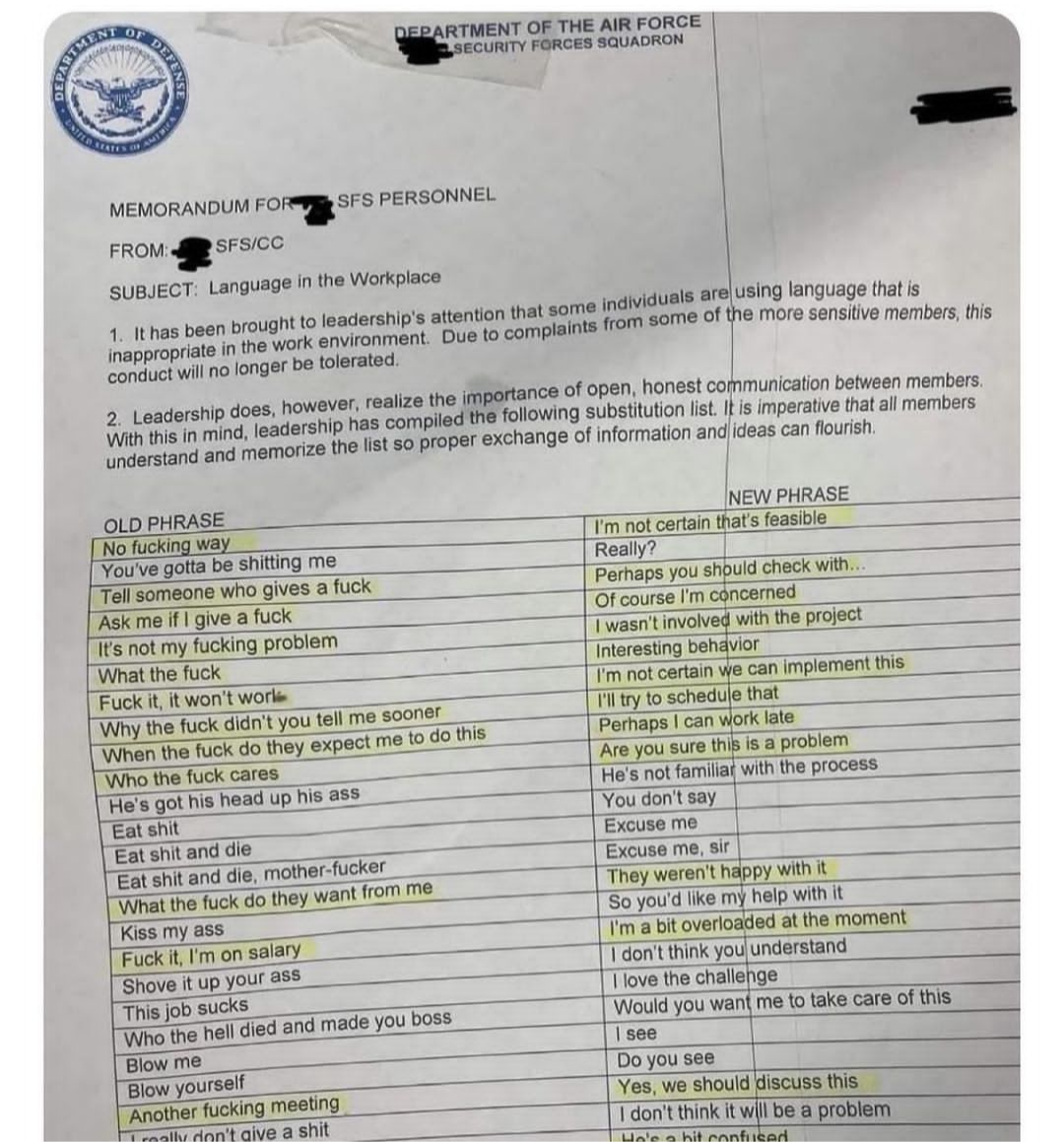
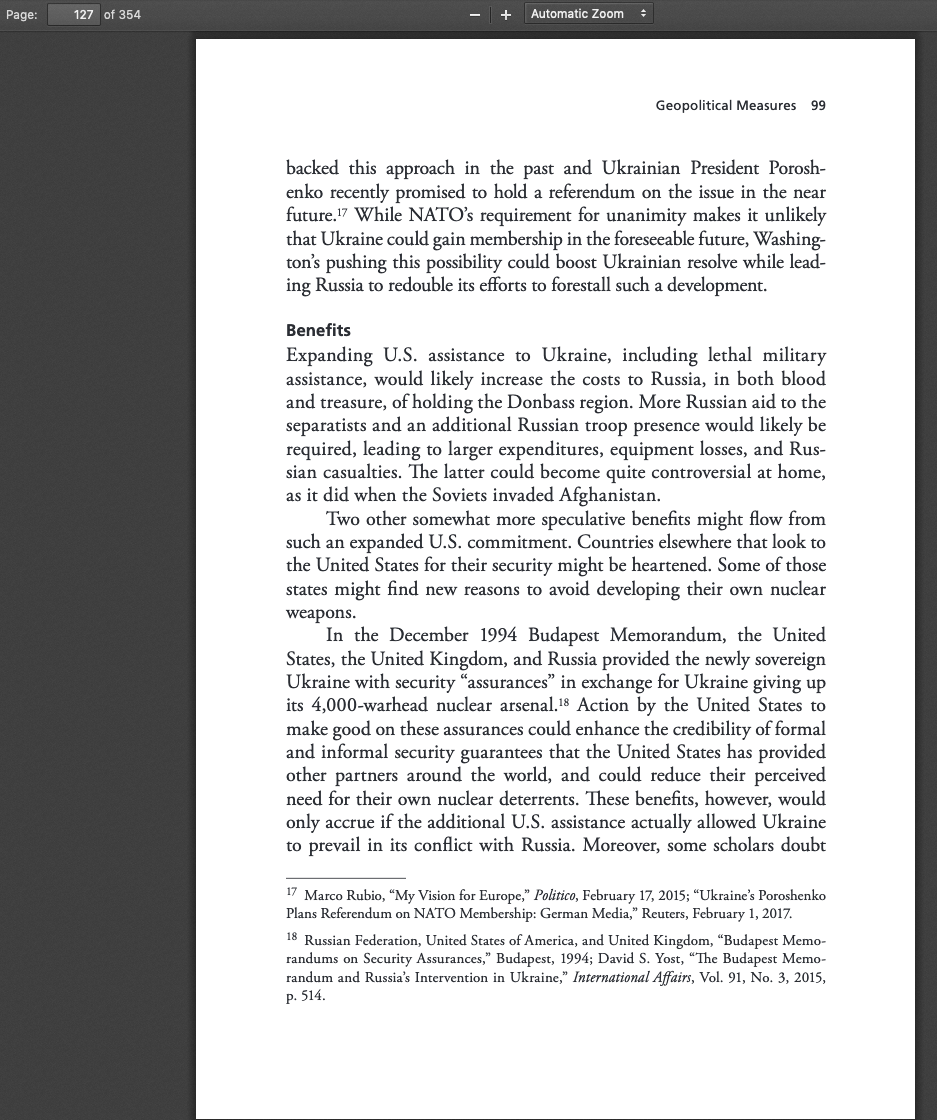
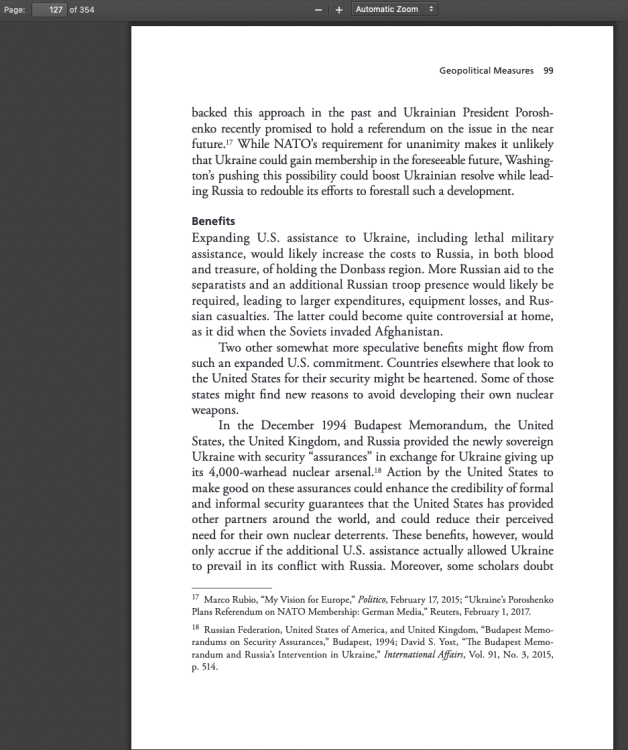
4 points4 points3 pointsThe big problem is we don't head off the problem before it's a problem. We've done at least 2 rounds of amnesty since I've been old enough to remember them. So here we go again, wait until we have millions of illegals here again, and then deal out another amnesty which only makes more people realize if they can illegally gain entry, the US will eventually let them stay. Another issue is the whole anchor baby thing ... thats not constitutional and wasn't what was intended.3 points3 pointsI wonder if they'll start securing the border when they realize how pro-life and anti-trans the Hispanic community tends to be3 points3 pointshow people don't see this is mind blowing. if you provide a pathway for illegal citizens to become citizens without a secure border...more will come. it's common sense. the democratic party understands this actually. they just don't say the quiet part out loud. those illegal citizens become votes.3 points3 points3 pointsI own six homes, three are Airbnb's which gross a combined $15000 each month. I own them all outright so expenses are limited to taxes, insurance, utilities and Mx. Two of the remaining I rent long-term and combined they gross $4500 each month, they are also paid off. I do have a mortgage on my primary home but like you I am at 1.75%, I could pay it off quickly but have instead put spare cash into building a warchest of cash to purchase more properties which tend to be a solid investment when inflation is high. A quick segue, over the years our wealth manager was against me paying off properties, he obviously wanted more money in play in the market. I grew up poor and wanted to diversify, I finally had a heart to heart with him where I explained this is how I am going to do it and using my method I will always have a place to live. That strategy has obviously paid off. Currently I am holding on purchasing another property for the reasons you mentioned. I may actually go with a large piece of land (40-60 acres), this time. Listing prices are starting to fall and inventory is starting to sit, next year will likely be a good time to find some deals. The transition has been rapid. last year we made an offer on a house on the same street as one of our Airbnbs. We offered $25K over, all cash, close in 7 days with no inspection, they didn't even respond to our offer. Apparently they had 32 offers in 24 hours, one was $60K over. Oddly that house is back up for sale and has been sitting for almost two months now. I have a year's worth of cash in a money market (need to move it to short-term bonds), the Airbnbs and rentals are producing strong cash flow, as does my O-6 retirement sprinkled with some VA. I work full time and am paid way more than I am worth so my DTI is very very low. In all honesty I could simply retire right now, pay my primary residence off and live very comfortably. I continue to work because I enjoy what I do and have a connection to the programs and projects I work. As I am getting older and my mentality is slowly shifting. We ALWAYS lived below our means and invested heavily. I distinctly remember making making major and watching most of our friends buy much bigger homes. We stayed in ours and paid it off in 13 years. Now that we are secure our second goal was to make sure we were leaving a solid estate for our son. I HIGHLY suggest all do some estate planning and look at things like trusts. Many think a Will solves all your problems when in fact the typical estate with only a Will sees 30% of the estate consumed in probate. A trust is nearly automatic in transferring wealth. I have a family trust, a land trust for my primary resident (kind a newer approach in Florida), and my investment properties are in an LLC owned by the family trust. Back to the mentality shift, realizing our goals for my wife and I and our son were complete our finance guy had a heart to heart with us last year and convinced us to start enjoying some of our money (dying with a pile of money does not make you a winner.) It was absolutely mind blowing to me when I bought my wife a $100,000 BMW, but I adjusted and bought myself an even more expensive Range Rover this year. We have other cars, an RV and an airplane and still live well below our means. I plan to work another year or two then retire. My wife wants to travel, I want to sit at the airport fiddle with my airplane and bullshit with the fellas. If there was a large collapse I believe I am postured to endure. Using the 4% rule or my retirement I would be just fine, combined I am obviously better off than most. I think I let this turn into a financial flex when the intent was to say your are on course, pay cash when you can, don't carry debt and in times of high inflation, real assets are king. Without getting political inflation is going to impact the housing market and as cash dries up and rates increase real estate inventory will increase providing more opportunity to invest. Good luck devil dog.3 points2 points2 pointsLots of interesting technical aspects to this. None of them good. The AFRL report acknowledges "AFRL has not seen evidence that any of the suspect counterfeit components were causal in the failure of the ACES-II ejection system." and "Presence of counterfeit parts in DRS would not necessarily result in operational failure of ACES-II ejection system." So, based on what they know now, they haven't been able to tie potential counterfeit parts to the ejection seat failure. They haven't been able to rule them out, either. They also twice mention finding "obsolete" parts in the DRS. I wish they'd go into that more - how'd they know they were obsolete? Older part number, or date code, or similar? On another note, they also raise concerning questions about what Teledyne (the manufacture of the DRS) did with it after the mishap. Seems like they were doing all kinds of testing and analysis, with no regard for maintaining the DRS as a piece of evidence in the mishap. Handing the unit off to the manufacturer like that, with no controls in place, seems like a real gap. The AFRL report also brings up "Counterfeit components in DoD inventory has been an ongoing problem over the past few decades. Often the manufacturer/supplier is not aware the components are counterfeit. The DoD is aware of this problem and is working to eliminate these components from supply chains." Supposedly, there are checks and balances in place to guard against counterfeit parts. In theory, you should be able grab an avionics box, and trace the pedigree of every subcomponent back to where it was manufactured. I think in reality, that's not always the case. And when you get down to commodity-level components like flash chips and the like, it's very much a "race to the bottom." Corners inevitably get cut, and someone pads their profit margin (wittingly or unwittingly) by introducing counterfeit parts. Hadn't read the AIB before this, but the section on Substantially Contributing Factors has a section on "Ejection Seat Malfunction" on page 45-46 of the .pdf. Issues with the DRS were highlighted during an ejection in 2014: Following the 2014 DRS failure, a time compliance technical order (TCTO) 11P2-3-502, Installation of the Shorting Plug on the DRS Electronic Module, was issued on 20 January 2016. The shorting plug was designed to prevent noise bias issues observed in channel three of a three-channel system. Two channels are required to be in agreement for the DRS to function properly. Channel three noise bias issues have been observed in approximately 9% of all live ejections and sled tests. TCTO instructions allowed for installation of the shorting plug during regularly scheduled 36-month maintenance/inspections. This presence of noise on one of the channels makes this sound like a crappy design to begin with. Shit happens in electronics design, but would have hoped that aircrew escape systems would be designed to a higher standard. And adding a "shorting plug" sounds like a technical band-aid. Would like to see the TCTO itself, along with the other technical data contained in the AIB tabs, but it appears those aren't publicly available. Regardless, they issued the TCTO in 2016. The mishap airplane was on the schedule to get the mod during scheduled maintenance in 2017, but the parts were "not available." Things like a "shorting plug" are not complex, so it's kind of unconscionable that they weren't available. Regardless, because of the parts unavailability, they pushed the TCTO to the next 36 month maintenance scheduled for July/August 2020. In the meantime, much like many ejection seat components, the DRS has a limited service life (in this case, 10 years). This expired in Feb 2019, but received three life extensions from the Air Force Life Cycle Management Center out to July 2020. So, I assume three individual 6 month extensions. Would like to see the technical backing for justifying those extensions. Someone within AFLCMC should be able to produce some no-shit life cycle analysis that substantiates the life extension. And maybe they can, but my limited experience has been that someone may have just signed off the extensions with a cursory glance of past data. In the meantime of all of this, a replacement for the DRS was fielded that negated the need for the TCTO. This was the Modernized ACES II Seat Sequencer (MASS), and became available in May 2020. The AIB isn't clear what happened here, but it sounds like the installation of the MASS was scheduled for the next time the seat was due for it's 36 month maintenance in July/August 2020. I don't know how it works turning wrenches on ejection seats. In a perfect world with unlimited resources, every ejection seat mod would be given the highest priority, considering the implications. But it seems like that's not the reality, and mods were scheduled with convenience and efficiency in mind, not aircrew safety. Sadly, the incident happened 30 June 2020, just short of the planned ejection seat maintenance. TL;DR: Problem with the DRS was found in 2014. TCTO issued in 2016 with what amounted to a simple, "band-aid" fix of a shorting plug. Mishap seat was pulled for scheduled maintenance in 2016, but TCTO parts not available. So, TCTO was pushed 36 months, to the next scheduled seat maintenance period in July/August 2020 In the meantime, the DRS should have been removed anyway due to reaching it's life limit. The Air Force issued three 6-month extensions, in order to line up with the next scheduled seat maintenance. There was a new and improved replacement for the DRS that was fielded, the MASS, but rather than replace immediately in May 2020, that was also lined up for that July/Aug 2020 date. Aircraft crashed just a couple months short of that next seat maintenance, and seat failed due to a faulty DRS. The DRS was past it's service life, had a known defect, and had a bunch of (potentially) counterfeit parts.2 points2 pointsForgive me...but really? You'd rather the thousands of fentanyl deaths, cartel human trafficking, displacement of human lives by the 10's of thousands...not to mention the collapsing economy and rising inflation that's felt by the poor FAR more than the rich. You'd prefer that over an event that happened almost 2 years ago, most of the violators being peaceful...and still being in jail now...with only one fatality of questionable circumstances...that's where your conscience draws a line? So what are your thoughts on other large crowds doing damage in public? Such as Portland? The CHAZ? George Floyd Square...with the following found on a .69 second google search: Is George Floyd Square still occupied? By August 14, 2022, seven people had been killed by gun violence at the square since Floyd's murder, and one person had died there as the result of a drug overdose. Those events, by the principle that Jan 6th is abhorrent to you...these should be exponentially worse, right? But you're more worried about Jan 6th? Am I hearing you correctly?2 points2 pointsUnfortunately many of those dirty hands are carrying Fentanyl. Since our dear leader took over and opened the borders more illegals have flooded into the country than the population of Wyoming, Vermont, District of Columbia, Alaska and North Dakota...COMBINED! Additionally, Fentanyl deaths doubled to over 107,000 in 2021 and we are on pace to exceed that number this year. With record seizures not slowing the pace and rainbow colored Fentanyl pills aimed at our kids, it should be declared a war on our society. In 10,000 days of the Vietnam War we lost half what we lost in 2021 to Fentanyl. In 20 years of combine Iraq and Afghanistan Combat we lost 7,000 U.S. Military personnel, we are losing more than that each MONTH to Fentanyl. Our border is wide open and the sooner you and Biden stop wordsmithing, the sooner we address the danger it poses to our nation. How is the DNC no utterly embarrassed that Biden hasn't been to the border...absolutely disgraceful. I truly pray it doesn't impact your family.2 points2 pointsA few things I've done and learned in the last couple years - I bonds. Google them. Best safe money possible right now. - if you have a large stash of cash that you use as a reserve for emergencies, consider keeping that in Treasury bills instead. Through the same website that you buy I bonds, you can buy treasury bills. If you set up a rotating schedule then you can have your 26 or 52 week t-bills reinvest automatically, let's say two months apart, and keep a much smaller emergency supply in a (low yield) savings account. Now if everything goes to shit, your emergency supply only needs to last you two months before the next batch of t-bills mature and deposit back in your bank account. You will get better rates in almost every possible situation by doing this. For example, my high yield savings account was at 2%, but using the above strategy, I'm getting about 3.5 right now. - similarly, if you are keeping large amounts of cash in your investment portfolios (usually in money market funds), consider investing in a short-term bond fund, such as SHY. The money market funds are giving garbage interest rates. The caveat here is that if the Fed raises rates dramatically higher than we are expecting, the fund itself can lose value. But it is much less volatile than the long-term bond fund TLT, since the short maturity date makes SHY harder to fluctuate. - if you are hoarding for the apocalypse and like gold and silver, now would be a good time to transition your gold and silver investments from ETFs or stocks into physical metal. The prices are pretty depressed. But realize that gold and silver are a defense against a declining dollar, not declining stocks. The dollar will be strong so long as one of two or both are true: the Fed is raising rates, or, the rest of the world is doing worse than us. I expect the former to stop sometime in the next 6 months, but the ladder may take much longer. Precious metals have been killing it in other currencies, but with everybody rushing to the dollar for protection, gold and silver might stay flat for quite some time. - at the end of the day, investing is going to be reduced down to a gamble on where you think the macro economy is going. Unlike picking individual stocks, which requires an understanding of accounting and market fundamentals, predicting the macroeconomic direction of the country or the world is much more a gut feeling. So you can trust someone else's gut or you can trust yours. If you trust yours, then find the analysts who have the same gut feeling as you do, and lean on them to do the technical analysis. If you are a market bear, the YouTube channel Wealthion is fantastic because he interviews a wide range of analysts and money managers. It's a good place to start if you're looking for someone to manage your money, but want them to share your general view of the direction of the world economy. I just found a uranium analyst through them who is spectacular, and I've been looking for someone to help me play my hunch on nuclear for a while. If you are a bull, I'm not sure I can be as much help, since the bulls have largely moved to technical analysis and a somewhat religious belief that the Fed will tackle. Inflation and all will be well. But Kathy woods and Jim Cramer are very bullish, so you could start by finding out where they are being interviewed and I'm sure a Wealthion-like channel is available for bulls. - if you have a habit of accurately forecasting world events, but never profit off of them, recalibrate your thinking such that when you have a prediction (let's say the invasion of Ukraine by Russia) you track down analysts some investors who share the same belief and find out what they're investing in. These people love to talk about their predictions, often for free, but most services are only a few hundred bucks a year. - forget everything you've learned over the last 20 years of investing. Obviously that's hyperbole, but the last 20 years of low inflation fed intervention is fueled a bull market that cannot function in the same way with high inflation. So look at the things that didn't exist before this easy money Fed market, and be skeptical. That means passive investing in index ETFs/funds, cryptocurrency, home flipping as a hobby, The metaverse, SPACs, etc. If they haven't been tested in an inflationary environment, their past performance cannot be used as a predictor of future performance. Doesn't mean they won't do well, but "it always goes up" is dead until further notice. - diversify. One of the money managers. I like a lot, said that he doesn't put more than 5% of his portfolio in any one asset, because he likes sleeping at night. Happening to one company or fund will only cost him 5%. If you really like a sector, that's okay, but diversify within that sector as well. As an example, I think nuclear is going to be an incredibly lucrative investment over the next decade, but I'm only going to put 20% or less of my portfolio into nuclear, and within that I will diversify into around 10 assets. Makes the chance of a moonshot lower, but the much more likely chance of being wrong less devastating.2 points1 pointSame team. I’m saying big blue and defense industry get to pay a minuscule “fee” (if you can call it that) of $400k, throw their hands up in the air, and essentially say “whoops” while aircrew dies and their families are left in ruin. Reference recruiting and retention.1 point1 pointIt's not that they can't let it go, it's that you just don't understand. You weren't there. You wouldn't know... If I had a nickel for every time I've been told something like that in the past two years...1 point1 point1 pointAs a registered independent who's voted both red and blue, I think like you. We'll disagree on a lot, but we agree that the political answer is somewhere in the middle. Sadly, I agree. This is the only kind of answer that will actually get implemented. We can dream all day, but in the end my opinions should not be your law, just as your opinions should not be my law. What I call murder, someone else calls women's rights...but the truth is that we're broken, fallen people who A: need a savior and B: will not make it if we chose to die on every hill between your opinion and mine. Don't get me wrong, I've chosen several hills as mine. My sword will be notch and my shield dented by the end of this war, but if I chose to fight bravely and die quickly on Every, Single, Hill, I'm useless in my cause. If only we had a background...call it a history...where we all agreed on some basic moral truths...1 point1 pointDisagree. If you don't secure the border, prior to passing "amnesty", it's going to get overrun more than it already is.1 point1 pointhttps://www.rand.org/news/press/2022/09/14.html Because it's not RAND. Surprise. The internet and its wealth of "information" is very dangerous.1 point1 pointLol. Welcome to the Air Force. Where “stupid is as stupid does” are words we live and die (and promote) by.1 point1 point1 pointSubversion of democracy. Truly shocking and disgusting collusion between our government and political progressives. We need to vote for people who can clean house! Would love to see the FBI confidential informant receipts from January 6th…1 pointThank you - But let us not forget I did ask a bunch of military pilots for financial advice! 🍻 Unless you were being sarcastic... Hard to tell on here.1 pointWhile I applaud your efforts to be debt-free and/or buy additional property...have you considered refinancing the SC place to turn the equity into cash? The rates aren't as good as they were, but the flipside is that a new home loan, paid by your renters, isn't taxable income. Rental income is.1 point1 pointOutrageous. And of course the data was buried in a nonpublic section of the AIB.1 point1 pointThis kind of weak equivocal language is at the heart of the our nation's communication problem. That's like saying it's safe to assume a rapist could do more to respect the rights of the woman he's actively raping. Or that Russia could do more to recognize the sanctity of international borders and human rights. Rape is Rape. An invasion is an invasion. Stop cowardice and have the balls to call spade a spade: Our country are being invaded through our southern border by a list of nationals and organizations so long we don't even know who they are. The administration who's PRIMARY JOB and who TOOK OATHS to "support and defend..." is actively supporting and empowering the invasion. How is that anywhere close to "could do more"?1 point1 pointpeople need to go to jail. defense contracting industry is (and has been) out of control for a long time1 point1 pointThat is a damning article on many levels. Hopefully this will get some national attention.1 point1 point1 point1 pointI think we both know the problem. https://www.livescience.com/17780-mental-sharpness-declines-middle-age.html1 pointhttps://www.8newsnow.com/investigators/former-las-vegas-based-air-force-commander-accused-of-grooming-raping-child-repeatedly-report-says/0 points0 pointsThere is nothing politically to be gained by making this an issue, so nothing will be highlighted.0 points-1 pointsHow likely is it we created a Ukrainian conflict to harm both Russia and Europe to position ourselves as #1 or #2 into the future? I'm just reading these RAND reports. Were the authors just good guessers? Luck? It seems like more of a script than research. Good read all the way through, but this page and the page after are significant. From 2019: https://www.rand.org/pubs/research_reports/RR3063.html
 -1 points-1 pointsAbsolutely, yes. Violence is bad. An attack on our seat of power BY a sitting president? Objectively worse. I’m not opposed to voting for Republicans. I have many times in the past. But as long as the party insists on pushing the full MAGA agenda, I’m out & so is a whole bunch of this country.-1 points-3 pointsDisagree. I think the only way is for both at once, that way both sides get a “win”. Dems get the “pathway” & Republicans get border security.-3 points