
Leaderboard
-
ClearedHot
Administrator8Points5,429Posts -
brabus
Supreme User7Points4,855Posts -
Smokin
Supreme User6Points1,157Posts -
Biff_T
Supreme User3Points2,481Posts




Popular Content
Showing content with the highest reputation on 01/12/2025 in all areas
-
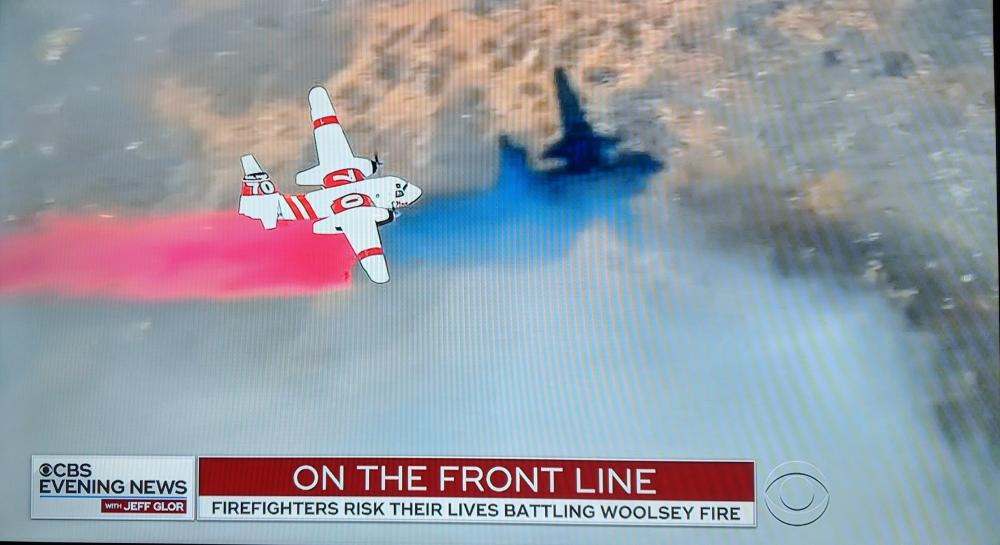
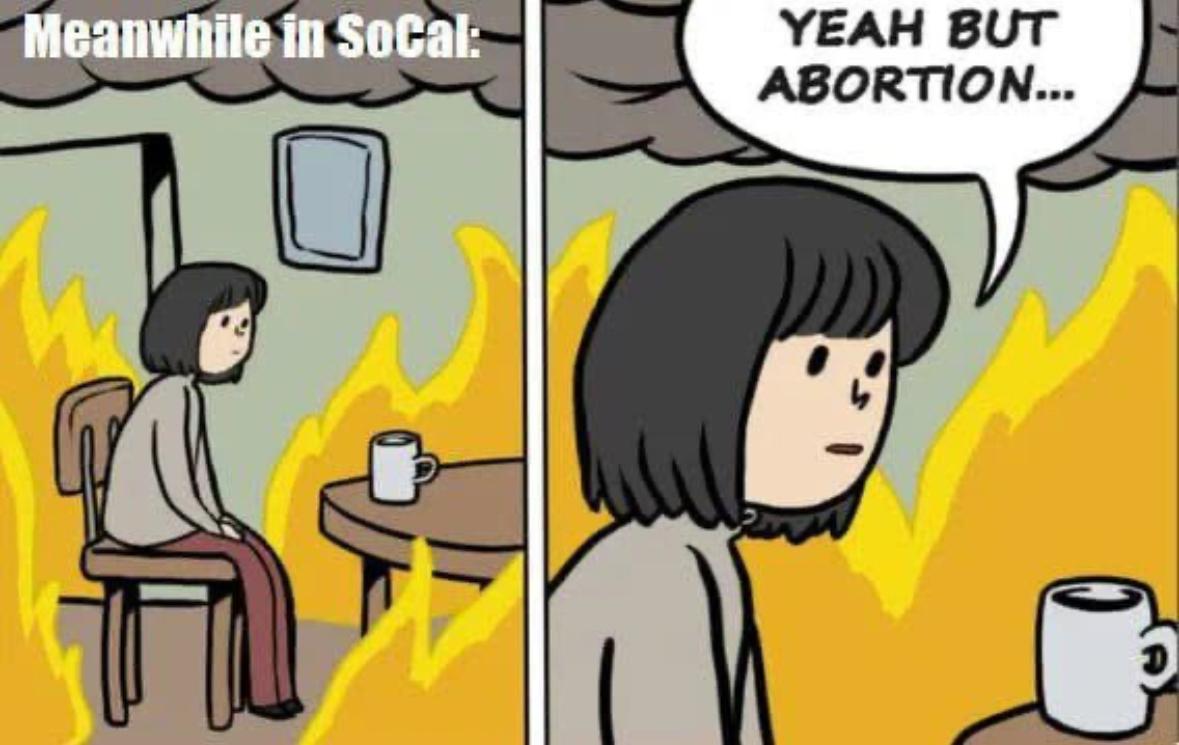
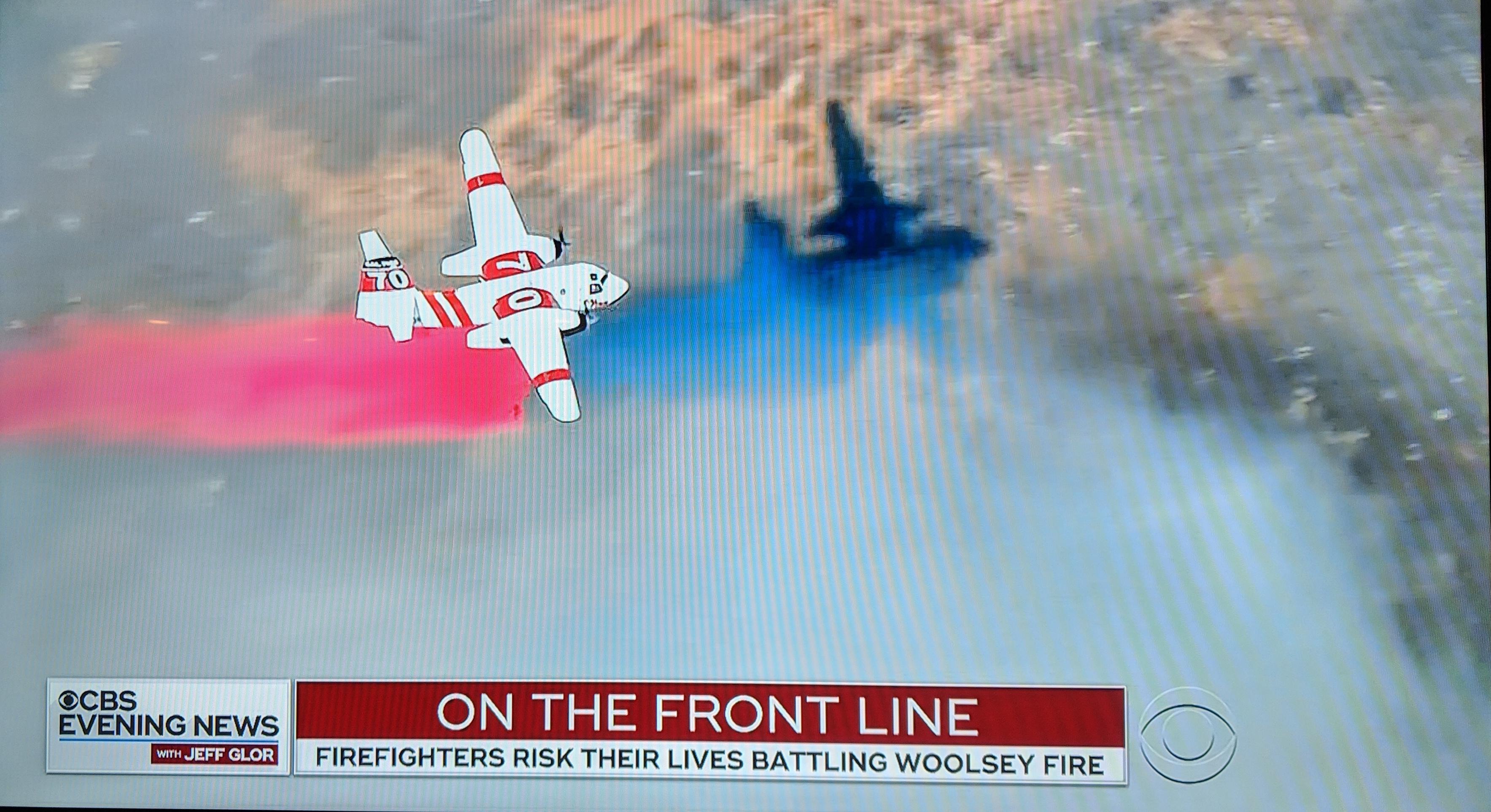
5 points5 points3 pointsAerial fire fighting is impressive work…I have been more challenged flying in those situations (huge mountains, winds, smoke/shitty vis) than any mil flying I’ve done in the same time period. The guys doing the actual drops are doing some very difficult flying. Multiple times I’ve thought about leaving the airlines for it, but in the end the QOL gap is just too expansive for me personally. But that flying is probably the best civ flying there is once out of the mil, if you’re willing to live that life.3 points3 pointsSome of the aerial firefighting videos are WILD. I've seen one video (maybe someone with better Google Fu than me can find it), of what looks like a H-60 dropping water as he rolls off sideways down a hill. Those folks have giant stones flying in high winds, high terrain and limited visibility. Amazing to watch. In other California fire fighting news, Canada sent two CL 415 Super Scoopers (I bet they are fun to fly), but one is out of service because some clown flew a drone in the restricted airspace and they hit it.3 points3 pointsSaw a picture of houses that were burned right next to the beach. Does no one have a water pump? I'm betting salt water puts out fires as well as fresh, just tough on the pump. The FEMA thing is a bit tough. On one hand, clearly this is a disaster and it is at least partially caused by government mismanagement and poor preparation. On the other hand, why am I paying to rebuild someone's house that burned down? If my house and only my house burned to the ground, would FEMA show up and give me a check? Don't think so. Why is it any different because it is a bunch of houses? FEMA should absolutely show up and hand out food, water, help with temp shelters, etc, but I don't agree with handing out money or the Federal govt handing out money.3 points2 pointsSo is Biden giving every CA person affected $750, just have to go sign up at URL…or are they getting substantially more fed support than that? It will be interesting to see how this plays out relative to NC and TN.2 points2 pointsATF is setting itself up to be next after Dept of non-Education for cost savings under the next administration.2 pointsALL PLAYERS CEASE BUZZER, ALL PLAYERS CEASE BUZZER 😂2 pointsWe're being jammed! Too much 160th talk in one day.2 points1 point2 MQ-9 guys from my squadron got picked up last year. Both graduated flight commanders about to meet their major board. 99 Pilot/90 PCSM ENJPT select. He was prior enlisted pushing 32 years of age. 99 Pilot/99 PCSM Del Rio select. Normal ROTC dude. Applied 5 times before being selected. I don’t necessarily agree that they are hesitant to let RPA dudes cross train. We are at over 100% manning for the career field and they have a significant legacy pilot shortage. I think it comes down to luck and a nice package so to speak.1 point1 pointIast year I applied with 98 pilot / 96 PCSM / 72 cso / 73 ABM / 29 aa / 33 verbal / 32 quantitative and didn’t get picked up. Non rated with average record. There was a person last year who got selected with 34 PCSM, that stung but good for them. I hope they become a flag officer one day lol. Otter, I think what’s gonna hurt you the most is that MQ-9s are gonna be around for while, tough to let someone cross flow with as much experience as you got under your belt. We gotta shoot our shot tho! Good luck everyone1 point1 pointMay start doing that this coming season, hopefully. Need to put that FAC(A) time to good use!1 point1 pointLA Fires may need its own thread. Between causation and tragedy to D state priorities, funding, and politics, there are also a shit ton of rich LA assholes that should put their money where their liberal mouths are. I'm sure Hollywood could generate a sizable GFMe for the littler guys. Start with the water hoarding Kardashians. Sorry mods for the suggested work, this one is gonna get sporty.1 point1 pointAgree with you and I would expand beyond that. FL SC GA NC hit by two hurricanes which are natural disasters so yes it makes sense our tax dollars go to help. The LA fire is arson, in fact in two communities they already caught people trying to start additional fires and the neighbors beat the crap out of the people trying to start the fires. So why are our tax dollars being spent via FEMA on arson and poor state management?1 point1 point1 point1 point1 pointNot beat the dead horse, but 16 dead hardly makes something off limits in comedy. 30 minutes of Anthony Jeselnik will fix that problem…quickly.1 point1 pointSealed warrants, along with the ATF, are bull. The only possible justifications are organized crime and terrorism where any information can be used by the bad guys to stop the bleeding. But, even then it is borderline un-American like civil forfeiture and the like. I recant my defense of Liberty Safes.1 point1 pointEven more reason to push back. Unless they did fight it and I’m unaware, but from what I read and take from their public statement, they handed it over without any pushback. Either way doesn’t affect me, never had a gun safe and never will be in the market for one.1 point1 point1 pointSteve Martin said many years ago "Comedy ain't fuckin pretty" Looks like that meme is going to fail anyway. Biden's pledging 100% to the poor rich celebrities. Lets see how this differs from the other disasters that affected the common folk. CH posted about a meme where CA is turning red. That area was rock solid blue. Lets see what happens there. Thread hijack off.1 point1 point1 point1 pointScores as follows: Pilot: 84 // CSO: 75 // ABM: 75 // AA: 34 // Verbal: 42 // Quantitative: 29 // PCSM: 84 I didn't retake anything for this board. I was swamped with LNO, Red Flag, Fleet Synthetic Training for the Navy and now Freedom Flag - been going non-stop since January of '24. I have a "wild take" that I'm a rated officer and a PIC, if the board wants to say that I'm not qual'd for UPT off my PCSM/ AFOQT then so be it. The PCSM is supposed to tell the board if we can pass flight training - with our aeronautical ratings we've already demonstrated that. Cheers, Otter1 point1 pointI’m in a similar position this year as you were last year minus the K code. What was your PCSM?1 point1 pointAwesome! I just lost an hour looking at all the other photos that thing has taken. When people ask, can the government really see that from space, I'll refer them to this site. Then let them know that this is just what a civilian company has access to lol.1 point1 pointWell good luck. And congrats on your 15th consecutive off-season National Championship. 😆1 point1 pointBased on last year's board and how long it took to get the budget approved I'm betting on no earlier than 31 JAN 2025. Similar situation for my OTS board back in 2019. Classic hurry up and wait game. I was an alternate last year and I'm holding out some hope that this year works out. Little background, 1000 hour MQ-9 IP w/ an LNO deployment, annual award, and a few quarterly awards. Regardless of results, don't let comparison be the thief of joy. My alternate slot last year had me very bitter for the better part of the spring. End of the day, the board has there specific instructions for each year and they will not disclose those nor will they give you feedback on what made you a select, non-select, or alternate. Sucks given the emphasis on feedback for everything that we do day to day - oh well. Best advice is don't worry about the things you can't control. Best of luck to all. Cheers, Otter1 point1 point1 pointYeah gonna be honest, this waiting game was hard the last couple months but it's unbearable now. It's impossible to not think about it all day 🤣1 point1 point1 pointAbsolutely perfect revitalization of an older post. I went single and had a good time, but would have been just as happy if I had been married. The wives were like mother hens to the single guys and some were great wingmen at the bar by sending girls your way lol. If you stay single, just remember that when she's walking out and stops to do a double take of your flight suit hanging on the door...she's probably enlisted. This is why you never ask what they do at the bar. Whether she gets invited back depends on how good it was and how dangerously you like to live. Wisdom from uncle Sociald. 🤣1 pointThis. @RANDOMDUDE13 See above.1 pointWe don’t lose missions to the 160th. In my 12 years we all flew specific roles within the missions we participated in together. Ospreys aren’t going to a contested X (no shit), but we were certainly there doing other roles or other unique missions. Frankly we ended up (as a community) doing a few things the 160th couldn’t. The hostage rescue in 2020 is a great example. The most interesting/rewarding missions I ever did had nothing to do with infil/exfil. The relationships we had with different SOF from around the world were second to none, built over years of working together closely and doing some awesome things. I personally don’t think any other AFSOC airframe had that kind of close relationship with the teams. The reality is that both organizations serve a purpose and the aircraft within have their niche roles for SOCOM. Overall I thought things worked fairly well. But to say we lost missions to the 160th is naive. I agree with most everything else said on here. I left AFSOC for other pastures mainly due to my personal feelings about the lack of any direction of the command. While I loved the airframe and the people I flew with, AFSOC was destroying the program (amongst many other programs) with Bold Moves. Combined with the HCE issue and now the fallout of (criminal) actions of the PRGB parts manufacturer…..the community is in a very hard spot. It was a great place to be until it wasn’t. I consider myself lucky to have been part of it when I did. Sent from my iPhone using Tapatalk Pro1 point1 pointI’m not exactly sure what you’re asking in reference to TFRs, but I’ll do my best to explain how we use them. There are two methods used to deconflict traffic around a Wildland Fire incident, the FTA (Fire Traffic Area) and the TFR. Easiest way to understand is that the FTA is for participating aircraft (I.e. assigned), while the TFR is used to keep non-participating aircraft out of the way. Generally, the Initial Attack (IA) phase will not have a TFR, just a FTA. As an incident moves into the Extended Attack (EA) phase a TFR will likely be initiated. This depends greatly on the particular AO of the incident. A fire in SoCal will get a TFR faster than one in the middle of nowhere usually. The TFR shape will morph as Fire activity dictates. The FTA was designed after a mid-air collision involving two S-2s in NorCal in 2001. This establishes a 5 mile ring around the incident and requires clearance in from the aerial supervision platform (if there is one). First call at 12nm from incident coordinates to receive clearance prior to 7nm, otherwise you hold out. First aircraft on scene make blind calls and are responsible for establishing the FTA. The stack starts at 2500’ AGL and moves down depending on aircraft type. It’s very well thought out and works great when everyone does their part. I’m not an expert on lead planes, but the main evolution I’ve seen in my seven seasons is the move towards making them all ASM (Aerial Supervision Module) platforms. Essentially, this is a Lead Plane with a specially trained ATGS (Air Tactical Group Supervisor, better known as Air Attack) sitting right seat to help with coordination. It’s been around a long time, but pretty much all of them are ASMs now. I believe it was the BLM that started that move, but I could be wrong. At CalFire, all our Lead Planes are ASMs and they use the OV-10. Most Fed leads use King Air 90s or 200s and the State of Alaska has a Commander 690 or two. The leads will be on scene for a few hours and really help on large incidents to increase the efficiency of operations by showing the tankers where to drop without a complicated “talk-on” from the Air Attack. Plus the Air Attack can get real busy talking to rotors and the ground, so it essentially splits the work. The lead will sometimes do a “show me” run for the Tanker to watch, then go for a live run with the Tanker in tow. In the S-2 we generally fly 1/4 mile in trail for the drop. The lead will mark the start/stop of the drop with smoke and make any wind corrections as required. As a Tanker pilot I’ll watch the smoke and correct off any extra drift if it’s different than expected. Some tankers require a lead plane in order to drop (VLATs and MAFFS). In the S-2 we usually get a “show me” and then fly our own drop pattern, but it really depends on how things are flowing and trying to be the most efficient we can. It also depends greatly on the individual pilot and what they like. I’ll take a lead if I’m unsure of the target or I’m already in a good position and we can get it done quickly. Most of the LATs (Large Air Tankers) seems to prefer a lead when one is available. It’s standard practice to order a lead for any Federal incident. For state incidents, we almost never order a lead until it goes big. Our standard order is an Ov-10 Air Attack, two S-2s, and a Helitack crew. It’s fast, efficient, and we generally catch them early doing this depending on fire conditions. Hope that answers your questions...1 point1 pointI got to see Shaft's S-2 last year. Frickin' gorgeous. As clean as the day it left the factory. Here's a screen shot of Shaft doing shit that saves lives.
 1 point1 pointIn general, I would get away from thinking of the industry as a part-time or retirement gig, and more of a career to pursue. Sure, there are certain jobs available that fit that role, but they generally don’t pay much and are inconsistent year to year. If all you want is a little fun flying fire, then look to Air Attack jobs with any number of contractors in a 690 or King Air. The more serious, better paying jobs generally demand more dedication and time. You basically have Fed jobs (USFS & BLM), Fed contractors (Air Attack, SEAT, & Large Tankers), and State jobs (CalFire, etc). These may be year round or seasonal, but also full-time work. Its a small industry and I’ve found most opportunities are found through good old fashioned networking. That’s a tall order for a pilot coming off AD, believe me, I understand. Vets do have an advantage getting Fed jobs, so that is one way to get started. I flew a Fed Air Attack (contractor) for a few years before getting the chance to get on with CalFire (DynCorp). Met tons of people and got a good feel for the industry. The real challenge is the transition from a good paying job, to a path that may or may not work out for you. Especially with all the opportunity in the airlines right now. There is no standard path in this industry, everyone just kind of finds their way somehow. Usually hard work and sacrifice. Having a mil retirement helps ease that transition.1 point









Account
Navigation
Search
Configure browser push notifications
Chrome (Android)
- Tap the lock icon next to the address bar.
- Tap Permissions → Notifications.
- Adjust your preference.
Chrome (Desktop)
- Click the padlock icon in the address bar.
- Select Site settings.
- Find Notifications and adjust your preference.
Safari (iOS 16.4+)
- Ensure the site is installed via Add to Home Screen.
- Open Settings App → Notifications.
- Find your app name and adjust your preference.
Safari (macOS)
- Go to Safari → Preferences.
- Click the Websites tab.
- Select Notifications in the sidebar.
- Find this website and adjust your preference.
Edge (Android)
- Tap the lock icon next to the address bar.
- Tap Permissions.
- Find Notifications and adjust your preference.
Edge (Desktop)
- Click the padlock icon in the address bar.
- Click Permissions for this site.
- Find Notifications and adjust your preference.
Firefox (Android)
- Go to Settings → Site permissions.
- Tap Notifications.
- Find this site in the list and adjust your preference.
Firefox (Desktop)
- Open Firefox Settings.
- Search for Notifications.
- Find this site in the list and adjust your preference.