Leaderboard
-
Hacker
Supreme User6Points2,077Posts -
Clark Griswold
Supreme User4Points3,887Posts -
HuggyU2
Moderator3Points2,884Posts -
bfargin
Supreme User2Points777Posts

Popular Content
Showing content with the highest reputation on 08/05/2020 in all areas
-
3 points
-
3 pointsWell, that’s one less Hezbollah ammo dump to worry about Sent from my iPhone using Tapatalk3 points
-
2 points
-
2 pointsAs Ernie Gann wrote back in the 60s: “All airline pilots are subject to the high cock-o-lorum of seniority, whether they like it or not. The system was established to banish favoritism and to provide some basis for assignment of bases, routes, flights, and pay. Its great fault, as in any seniority system, is the absolutely necessary premise that all men are equal in ability. The dullard and the genius must both live with the ostrich philosophy that one man can fly as skillfully as another. No one, of course, maintains this to be a truth. But the seniority system must ever persist if only because it is a protection of the weak, who are everywhere in the greatest number.”2 points
-
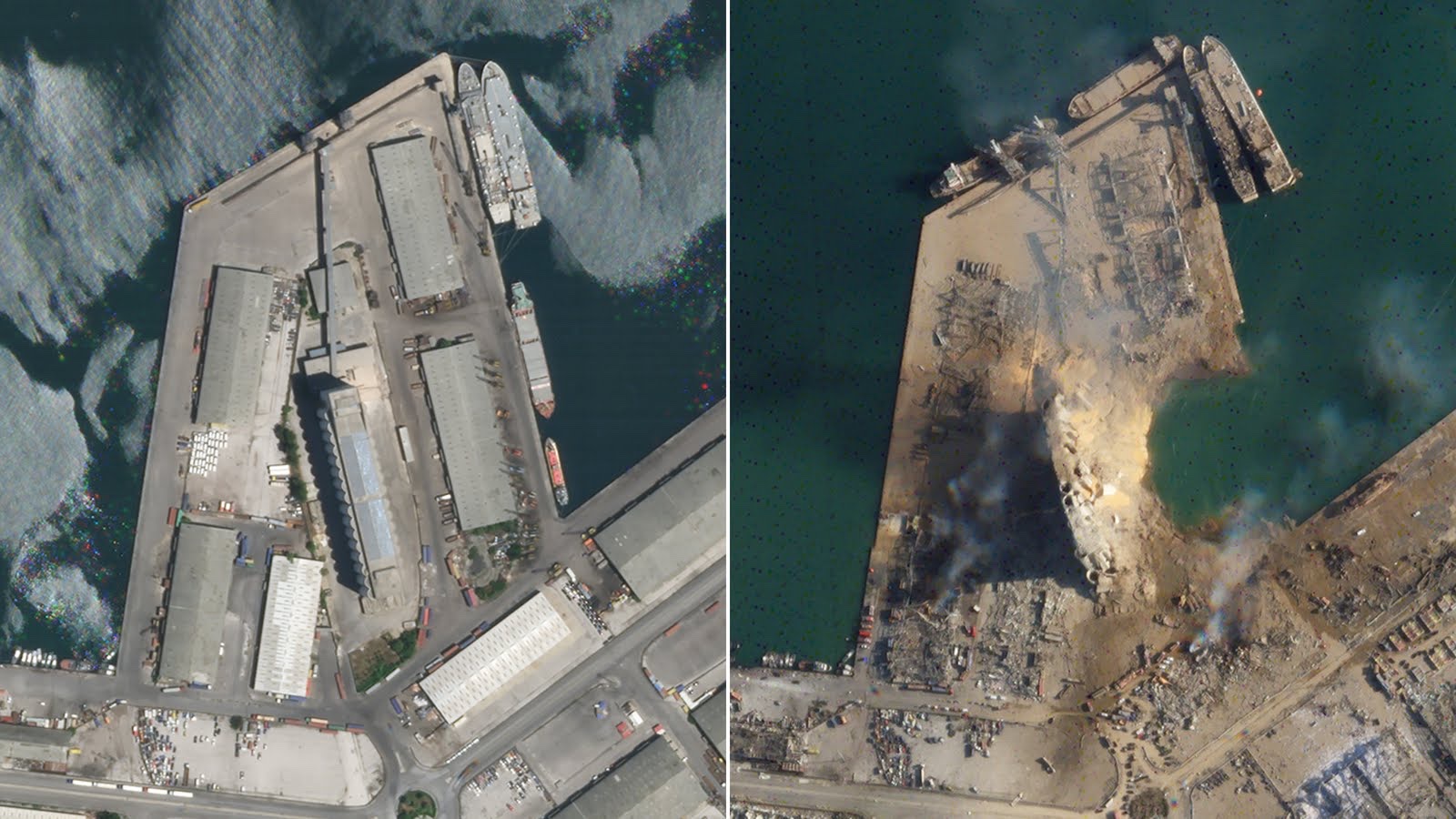
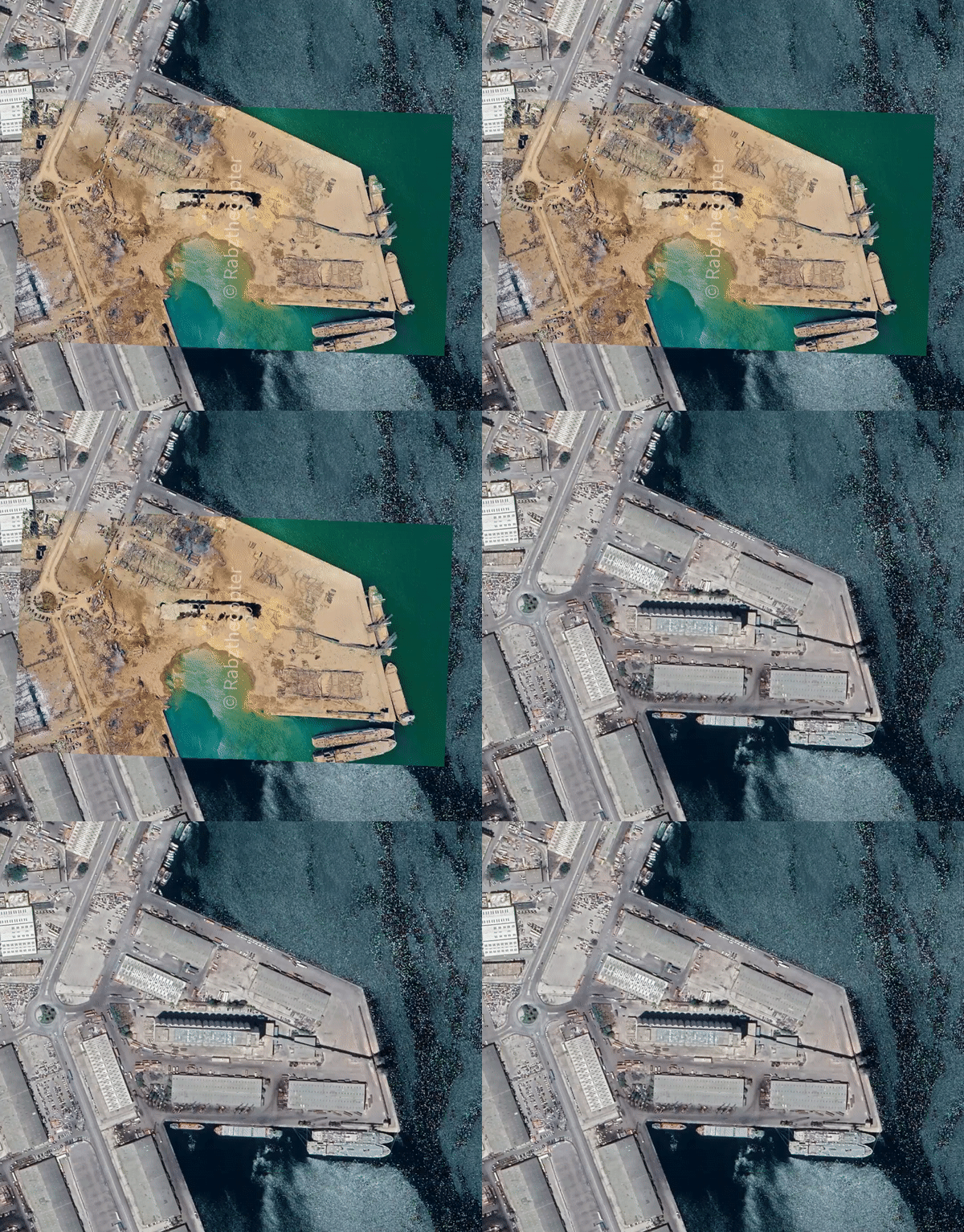
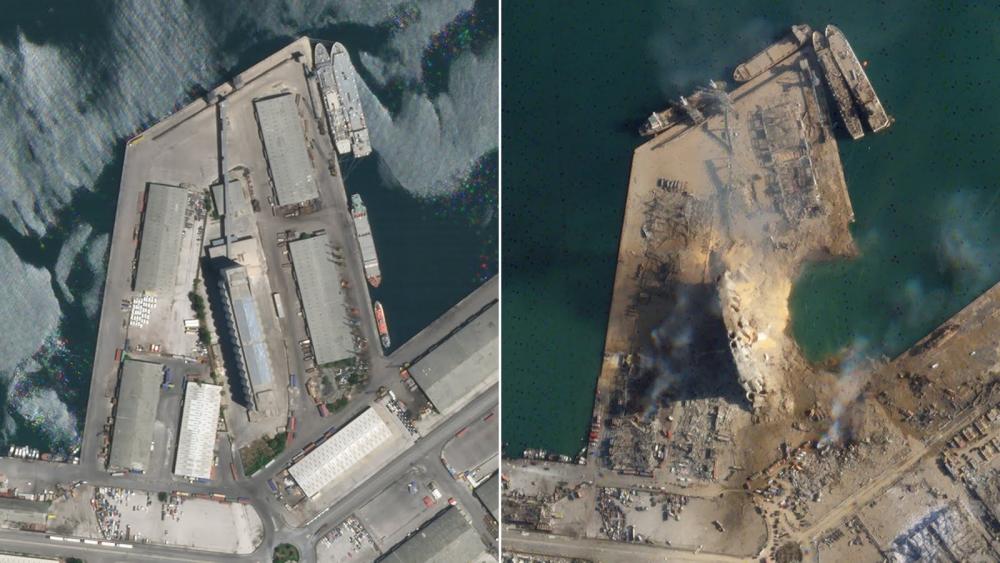
1 pointIf you look at 3-Holer's picture I think the smaller ship got lifted onto the shoreline on the right side of the image.1 point
-
1 pointI had such high hopes for Lebanon, it is indeed a tragedy. In a semi-related matter - the neck down look in that video was fantastic!1 point
-
1 pointLebanon was already in an economic freefall. Their currency was becoming valueless. What a tragedy. “"The main grain silo, which holds 85 percent of the country’s cereals, was destroyed. Even more, the port will no longer be able to receive goods. Lebanon imports 80 percent of what it consumes, including 90 percent of its wheat...60 percent of imports come through the Beirut."1 point
-
1 pointNote the small boat tossed up onto the east shore in front of where the other warehouse used to be.
 1 point
 -
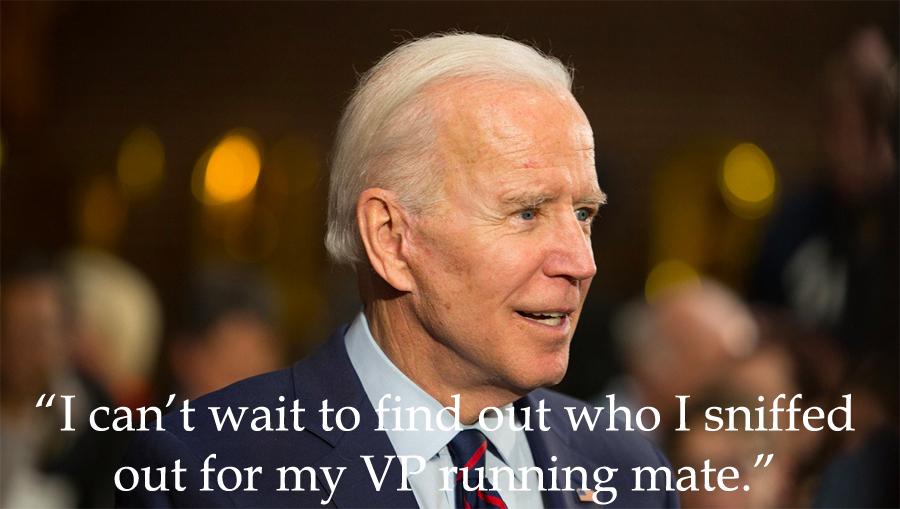
1 point1 point1 pointYep. I thought we had kinda gotten better about this in the last few years, and then I watched a person in our wing who is tactically dangerous and useless, who prioritizes qweep above flying at all junctures, and essentially needs as much flying oversight as a CGO that you give to senior officers get pushed for tons of awards and receive a top push line.1 point1 point1 point1 point1 pointKanye West put his name in the poll. Shit at this rate I'll probably vote for him.1 point1 pointI keep coming back to the CRM bit. Upsets happen, whether crew induced, automation mismanagement, turbulence, or spacial-D. Doesn't matter how it happened, any crew member in the seat should always be aware and ready to take the controls. In multi-place aircraft that have a small enough flight deck, NOTHING communicates "I have the aircraft" and snaps the offending dude out of it as quickly as physical contact (i.e. backhand to the shoulder), ESPECIALLY when the guy on the controls is unconscious of his error. The flinch mechanism is strong when you're stressed, and usually works quick. I have yet to fly with a kid that A: didn't want me to smack him, or B: failed to appreciate it's effectiveness afterwards (a memory check says I've used this avoiding 2 pattern stalls, 3 unrecognized spacial-D's and 1 bad habit of calling the gear down before they're down). People may not like it, but there is no denying the effectiveness of physical contact as a confirmation or intervention reinforcement. My question for this 777 crash remains: what was the Captain doing, especially when flying with a known low performer? The audio makes is sound like he was completely unaware. As for stall training, I find it laughable that we as professional pilots going back for refresher training would NOT want to explore upsets and deep stalls to a PhD level. I personally see no reason to ever delay power inputs in these situations (ALL engine have a spool up, even if it's 4 seconds). I also advocate pilots exploring the effectiveness and energy saved by unloading the aircraft before maneuvers in upset and stall situations (constraining this type of training to the sim only). Amazing how quick an aerodynamically unloaded aircraft responds to inputs, regardless of attitude or energy state. The only hard and fast I stand by: Recognize, Confirm, Recover. Beyond that I don't believe any recovery should ever be rote.1 point1 pointhttps://babylonbee.com/news/biden-excited-to-find-out-who-he-picked-for-vp I saw this "article" but a different meme I saw made me laugh.
 1 point100% agree but I think I can speak for most people here has been extremely challenging for applicants the last few months. I got one virtual, one in person interview, and couple of phone screeners with units this year I had met in person before the Covid-19 lockdown but I can't recall anywhere I was taken seriously that I didn't go to a UTA weekend at least once in person. I've met plenty of other applicants during past visits who had way better scores, way younger, way more flight hours but were insufferable to be around. Visit as many places as possible and don't be a douche/be yourself once this pandemic passes.1 point1 pointI’m skeptical of it actually happening or other redeployment / draw downs but I hope that it does, not out of animus to Western Europe but because I do not believe it is in our best interest. I’ve mentioned this idea before in other threads but why do we deter aggression or coercion from one state (Russia) when Germany and others do business with them and other threats (Iran notably), it just does not work. It’s embarrassing, emasculating, infuriating and stupid. This is a cuckhold relationship, no thanks. NATO is part of a world order that doesn’t really exist any longer, where American largesse was great enough to overlook problems and unfair / untenable arrangements out of magnanimity and some ego, it’s time to admit that and act accordingly. Besides, the locus of threat is no longer the Fulda Gap but at the contentious new eastern flank of NATO, the Allies could take the wind out of the sails of NATO skeptics like me by offering modest forward deployments of their own forces with ROE that bypasses the blob of NATO bureaucracy, puts those forces while deployed under the OPCON of NATO members under threat of direct or coercive Russian aggression. Skin in the game and guarantee to fight if Ivan tries something? That’s a different NATO than what we have now This does not mean chaos following redeployment or there being no military relationship post NATO but something has to change, the old order is gone. Sent from my iPhone using Tapatalk1 pointWhen the idea was discussed about doing this interview, I wasn't sure I would do it. However, Hacker spoke very highly of Steve and assured me it would be great. He was right. Working with Steve was a pleasure and he's a class act. I'll admit he got me talking about some stuff I hadn't thought about in a long time. We did the interviews some time ago, but I believe Steve plans to add on to the interview with some additional talks that we are doing now. bfargin, you were very close. UPT Class 86-05, started 4 June 1985. Thank you for creating a well done final product, Steve. (And especially for your editing work!! You know what I mean!! Haha!!)1 point1 pointRetired Lt. Col Jonathan Huggins, 1st Reconnaissance Squadron U-2 instructor pilot, performs a preflight inspection before takeoff. It’s been 2,133 days since he last flew the U-2 solo. “As a civilian instructor pilot in the 1st Recon Squadron, I’m focused on working with the newest U-2 trainees, and getting them proficient at the basics of flying the U-2. I’ve missed it. The fact I’m getting to come work here again, with the people I love to work with, in a jet and a mission I love to be involved with, well, it’s just a dream come true. You realize when you’ve been gone a while just how great the people are, and how satisfying it is to be a part of an organization that gets the job done, and that it’s a job that is so critical and important to the nation.” Beale AFB Facebook Edit: Beale AFB 'News' link1 point1 pointAnother boring race until the final lap. As to Hamilton's "brilliance" on the last lap, I don't see it. He won the race, as usual, in qualifying and in building up a massive lead. The tire armegeddon experienced by so many on that last lap could've just as easily taken him out. Time and distance in front of Verstappen were his friends. As was the Red Bull decision to go for fastest lap with a pit stop for fresh tires. Woulda/coulda/shoulda...once again Mercedes and Hamilton turned in a commanding performance. Well (yawn) done.1 point1 pointHow about the “Ukrainian” (aka Russian) honeypots? It wouldn’t be Xanadu without the overt espionage threat and all the bros talking around things1 pointWith a high emphasis on meeting you in person. Scores are great and all, but only one small part of the equation.1 pointGood stuff. I didn't expect to sit and listen to the whole interview when I saw it was over an hour long, but I did and thoroughly enjoyed it. I was starting UPT at Willie about the time Huggy was starting at Del Rio (I was 86-08 and since he started in June I'm assuming Huggy was 86-07). It was interesting to hear his story and to steal a famous line, I'm looking forward to "the rest of the story". Steve, thanks for doing the work to capture and record the stories you preserve and to you Huggy for sharing your experiences.1 point1 pointHow can it be that nobody's yet posted the clip of Baseops' @Steve Davies vs @HuggyU2 battling for ultimate domination of YouTube? https://youtu.be/ZgR3wzOioks1 point