
ClearedHot
Administrator
-
Joined
-
Last visited
-
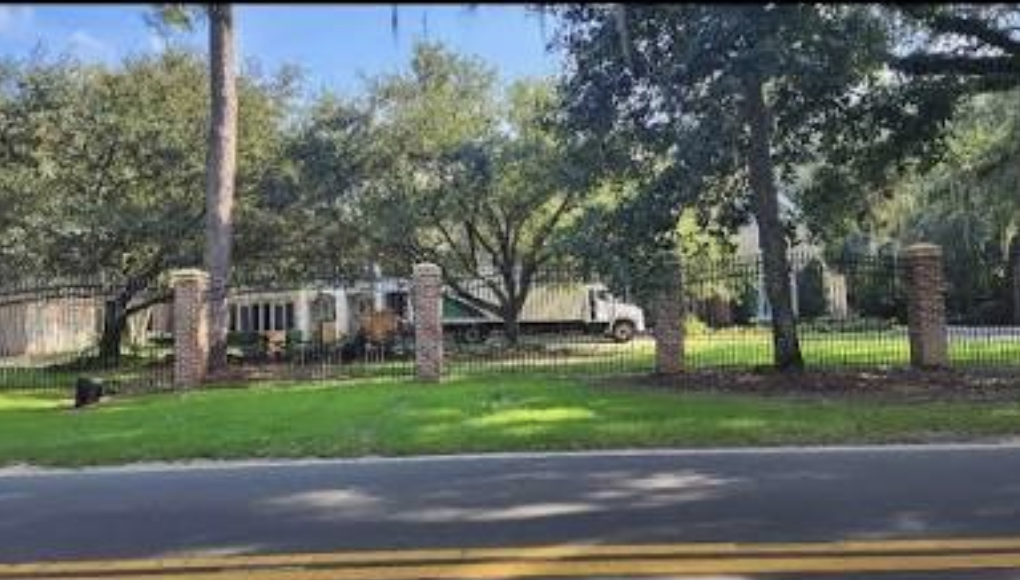
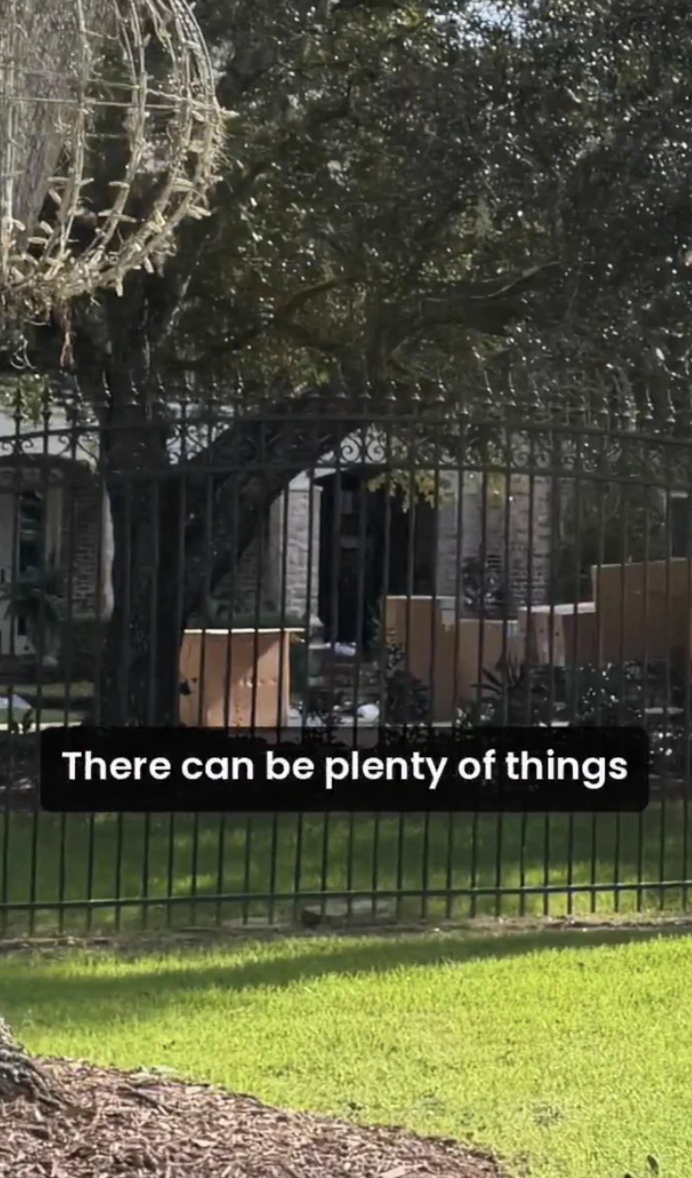
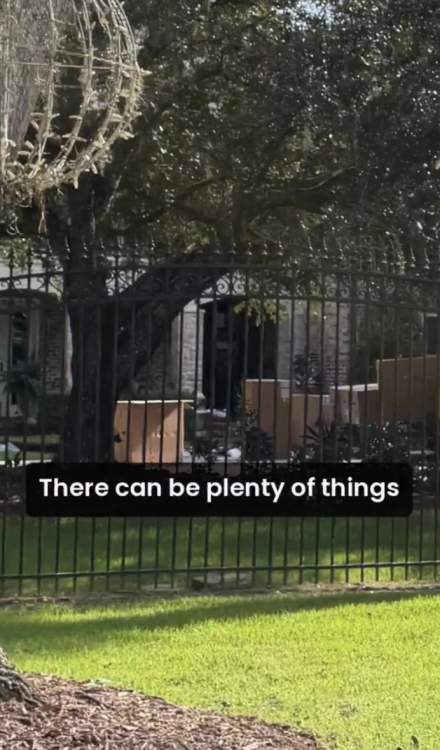
FSU's President came out saying "No one wants to win more than Mike Norvell" which is likely true. Ther eis so much smoke around this someone drove by his house two days ago and took pictures of a "box truck" in his driveway. It has since been explained away as a desk delivery for his daughter...must be an incredible desk given all the boxed stacked up out front. He is a good coach but lost the locker room and a LOT of key recruits. The bigger question is FSU is already $180M in debt, can they afford a $51M buyout? Best job out there is a being a fired college football collecting a buy out.
-
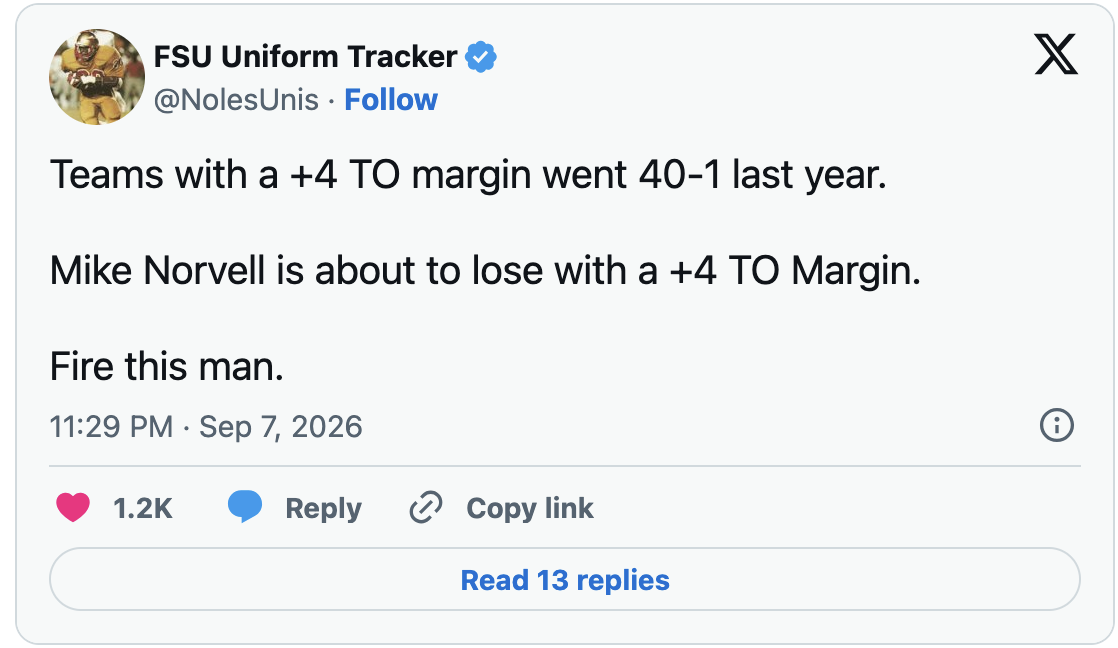
What's the you said again? I think you mean to say if the OSU kicker could make a field goal... What a game!
-
Love it...a lot of the talking melons were picking them to win the whole thing this year. They struggled greatly last week and now this... Also, Boomer Sooner got punched in the lips today. I think OSU v Texas is gonna be a war tonight.
-
Of all teams to be throwing shade...FSU trying to troll UF....the irony is thick. Of course a Miami fan had to jump in as well. What a great time of the year.

-
100% And all the little LSU lemmings are crying like little bitches. Soon enough he will leave them hanging when he bails to Alabama, burning yet another program to the ground. I've never cared for LSU but Kiffin is just a bad human, they deserve each other. They are reporting kicking them out of the SEC is off the table but the majority want Kiffin suspended.Arkansas Troopers running wild as they drag a shirtless passenger across broken glass by his hair...after punching him in the face for no reason. This same trooper was investigated and found to have violated policy last year after he punched an 18 year old female in the face during a traffic stop.If you have not been following California Bill AB2624 you know the lengths California politicians will go to in order cover fraud. While the new law does not mention Nick Shirley it is a direct attack on the 1st amendment.And we took off uphill...both ways!Man, times are a changing...Had a model of the B-58 as a kid, my son has one on his wall in his bedroom. There are lots of great videos of it on Youtube, ran like a scalded ape on the deck...also very dangerous, especially when losing an outboard engine.Been in test on the Raptor for some time. Closest View Yet of F-22 Raptor With Stealth Tanks and Stealth PodsI believe #1 priority is stealthy fuel tanks like they recently introduced to the Raptor. F35 already has a lot of gas...wing tanks will be a great force extender.