Leaderboard
-
17D_guy
Supreme User3Points1,886Posts -
herkbum
Supreme User3Points1,210Posts -
VMFA187
Supreme User2Points787Posts -
Buddy Spike
Supreme User2Points1,129Posts


Popular Content
Showing content with the highest reputation on 08/21/2018 in Posts
-
All flying positions I know of in the ANG are Major positions. Is that what you are asking?3 points
-
2 pointsExecuted? https://edition.cnn.com/2018/04/23/health/gun-deaths-in-men-by-state-study/index.html2 points
-
2 pointsWow. What an incredibly ignorant statement. We can absolutely discuss the issue, but honesty is warranted first. "Unarmed black citizens" are not being "executed" by police.2 points
-
2 points
-
2 pointsWrong. It’s so you can get more battery life out of the computer playing the movies by putting the screen to dim.2 points
-
All pilot slots in the ANG/AFR are O4 positions so being an O4 doesn’t matter...your rank will match your billet. BUT, getting hired as an O1-O3 is likely easier than if you were an O4, depending on what you are trying to do. If you don’t have to go to UPT, being an O4 trying to get hired may not be a big deal. Or if you’re already hired, it probably doesn’t matter either. But rushing units (especiallly fighter, but any) hoping to send you to UPT as a promotable O3 or O4? I’d be shocked if you made it work. There is a guy at ENJJPT who is about to pin Maj, but I believe he was a WSO. I got out as an O3 (completely out of the IRR and everything) to stop my clock as I was still rushing units and didn’t want any more TIG/TIS than I had to. I was right on the cusp of O4 and I knew fighter units wouldn’t look at an army helo O4. Being a senior O3 was a tough enough sell. After I got hired and I got back in, my appointment order has me as an O3 in an O4 position grade with my (massive) break-in-service adjusted TFCSD and DOR. Hope that helps.1 point
-
1 pointHonest question, does anyone truly believe or trust what the Air Force says anymore? How soon before AFPAK hands becomes filled by non-vols? I’m guessing the next assignment cycle.1 point
-
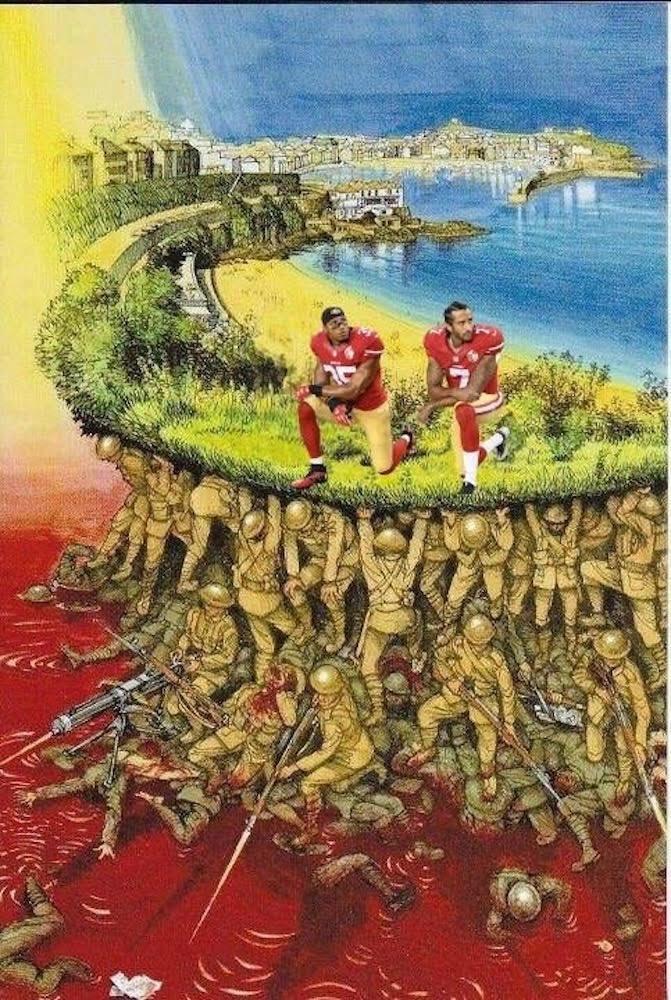
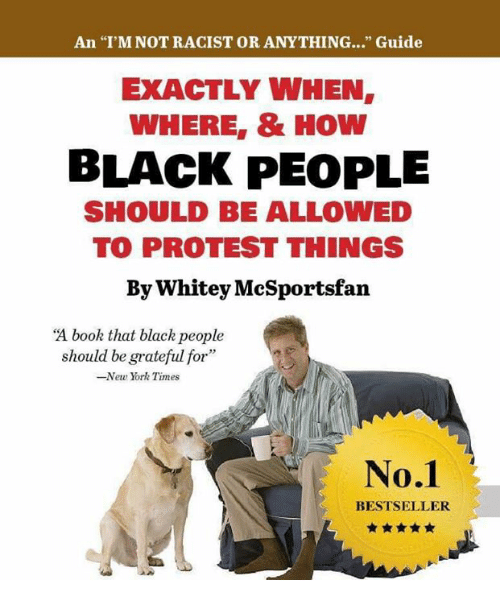
1 pointI love how people are attacking Dak Prescott for saying that the anthem is not the time to protest but that if someone comes up with a plan to do something about social injustice that he would be first in line to actually DO SOMETHING about it. I guess kneeling is much easier than actual change.1 point
-
1 point“Presumed innocent” doesn’t mean just take it when someone attempts, or appears to attempt to kill. If I was convinced someone was trying to kill me, I wouldn’t think to myself, well their skin is a certain color so I’ll just let them do it.1 point
-
1 point1 pointLawman, To begin, it’s not like we have lots of data points on such events. The variables involved probably make such an event so unique that assuming there is one good option to resolve it is not valid. There may be nothing that can be done in some cases to significantly improve the outcome. At least one other person has mentioned this, but it appears to be worth repeating. When aerospace vehicles get shot down, they don’t turn into harmless confetti and flutter to the ground. Since there were so many potential victims in close proximity to the flight path of this aircraft, there’s absolutely no guarantee that a shoot—down attempt wouldn’t have made things worse. Removing any chance of the aircraft remaining under the control of this individual who indicated he had no desire to hurt others by shooting it with air-to-air weapons certainly wouldn’t ensure it crashed somewhere desireable. Missiles don’t always hit what we shoot them at either. Setting up a shot geometry that ensured a wayward missile wouldn’t hurt someone on the ground may have been difficult, if not impossible. A mach 2+ unguided missile with a live warhead schwacking someone’s house or dropping into one of the venues you mentioned wouldn’t be any better than the possible outcomes you’re concerned about. Opting to gun him might have reduced the radius of potential problems from the inevitable rounds that didn’t find their mark - but they’re still going to fly for several miles once shot. Based on your description of the area, it doesn’t sound like raining several hundred rounds of 20 mm HEI over the surrounding area would have been a good option either. It’s also a bitch to gun an airborne target that’s flying relatively straight and level at low speed. “Safe” shot geometry with the gun would have probably been even more difficult to set up and execute without risk to those on the ground than a missile. There’s a reason we test and practice with missiles and guns at White Sands or in large, over-water Warning Areas. This is not an ROE problem. Making the choice to shoot him down over a population center is almost always going to be the lesser of two evils. Both options carry enough risk that it’s probably a coin toss. Once he lines up on a target with intent, the shot may diminish the result but definitely doesn’t guarantee no loss of life or property. Think about the second 9/11 airliner hitting the tower and what was in its path leading up to impact. If an F-15 was there to pump a couple of missiles into him and halt that attack a few miles short of downtown Manhattan, that obviously would have been great. But, the crash site was going to be a mess, with plenty of casualties and damage. A lesser “evil” for certain, but still an evil that wasn’t warranted in the Seattle case because the same threat wasn’t indicated to those observing and speaking with the individual involved.1 point1 pointSo they are trying to prevent future leadership embarrassment by vetting the public life of its people? OK, if that’s what we’re doing.1 point1 pointThat app's getting a lot of good news. If you like spicy investing meme's (mostly around options), and watching people lose money they don't have, check out - https://www.reddit.com/r/wallstreetbets/ I laugh my ass of daily and enjoy the throwback language of the 90's.1 point1 pointBecause after two decades of flying RPAs, this is the first ever paired manned flying program. What happens when you pull pilots from the cockpit and stick them in a shipping container for 4 years? You get crusty bitter old pilots like me who hate the Air Force.1 point-1 points-1 points-2 pointsI'm confused. Are they the 1% or are they lowly minimum wage servants? I think you've completely forget that athletes have always been outspoken and played major roles in conversation about racial discrimination in our society. Jackie Robinson said he wouldn't sing the anthem or salute the flag because of the racism he faced in society. Jessie Owens wasn't outspoken publicly but he certainly contributed to the debate. Tommie Smith and the other black sprinter made the black power fist on the olympics to raise awareness about oppression. Mohammed Ali wouldn't go fight for America because a Vietnamese soldier never called him the n word. Pay attention, this has happened for decades. I bet you would love for them to shut up, but probably like to hear Ted Nugent's latest opinions on foreign policy on fox news each week, because he's more qualified than a Stanford educated athlete. Just say you don't agree with their views instead of taking the cowardly way out and refusing to even discuss the problem at it's merits. Athletes are raising awareness that unarmed black citizens, who are legally presumed innocent, are executed by police at a rate 2.5 times more frequently than white men. Why are you so scared to discuss that issue? Why are you saying that kneeling is more disrespectful than some guy who wants to use that precious symbol to decorate his sleeveless tap out shirt?-2 points